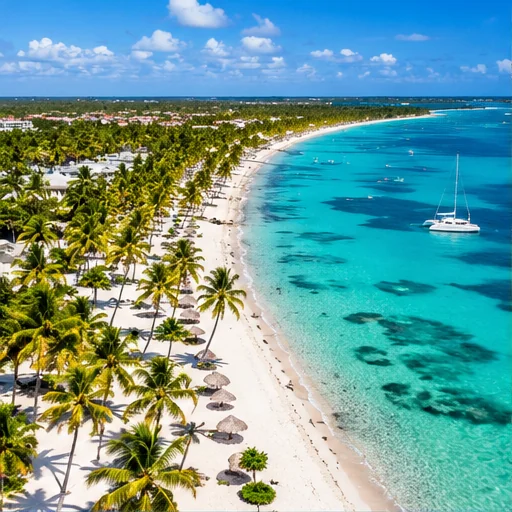
A Dominican Republic vacation can be economical, luxurious or unexpectedly expensive. The difference is rarely explained by the hotel rate alone. Airport transfers, meal plans, taxes, excursions, local transport and the number of regions you visit can change the total more than a modest discount on your room. This guide gives you a method for building a realistic budget rather than promising prices that may be outdated by the time you travel.
Start with the total trip, not the nightly rate
Divide your budget into seven categories: international transportation, accommodation, local transportation, meals and drinks, activities, travel protection and a contingency reserve. Keep airfare separate when comparing two hotels: a property that appears cheaper may require a longer, more expensive transfer from the airport you can actually fly into.
For a couple, compare the total for two travelers, not a per-person advertisement. For families, calculate the age rules for children, bed configuration and whether a resort requires a second room. Solo travelers should watch for single-occupancy supplements. Always note the currency and whether the displayed amount includes taxes and service charges.
Three travel styles and their cost drivers
Independent budget travel: Small guesthouses, local eateries and public transportation can reduce costs, especially in cities and established towns. The trade-off is more planning, greater variability in amenities and sometimes extra time spent reaching beaches or attractions. Air-conditioning, reliable Wi-Fi, breakfast and a walkable location can matter more than the lowest advertised price.
Comfort-focused independent travel: A well-reviewed midrange hotel or apartment, a mix of local and sit-down restaurants and a few organized excursions offers flexibility without the cost of luxury resorts. This approach works particularly well when you want to explore Santo Domingo, Puerto Plata or the Samaná Peninsula instead of remaining on one property.
All-inclusive resort travel: The upfront cost may cover lodging, many meals and selected drinks or activities, but not necessarily airport transfers, premium dining, spa treatments, off-property tours or every service charge. Compare what is actually included and what you will realistically use. A resort can be good value for travelers who want a predictable base; it is not automatically the cheapest way to see the country.
Build a usable budget worksheet
Create a table with a quantity, estimated unit cost, total and a confidence note for every item. A sample seven-night worksheet might contain: seven nights of accommodation, seven days of meals, two airport transfers, one regional transfer, two paid excursions, local taxis, mobile data, travel insurance and a reserve. Enter prices from current quotes rather than copying somebody else's estimate.
For accommodation, calculate nightly rate × nights + mandatory fees. For a rental car, calculate rental quote + insurance + fuel + parking + tolls + possible one-way fees. For excursions, calculate per-person ticket × travelers + transport + tips if applicable. If your bank charges foreign transaction fees or ATM fees, include those too.
Keep a second column for already prepaid versus payable on arrival. That distinction prevents travelers from counting a hotel deposit as the full lodging cost or forgetting a transfer due in cash.
The airport decision can change the entire calculation
Punta Cana International Airport is convenient for many eastern resorts. Las Américas near Santo Domingo is useful for the capital and some southeastern itineraries. Puerto Plata's airport can make sense for the north coast, while Samaná-area air service varies by route and season. Do not select an airport solely because the flight is cheaper; calculate ground travel and lost vacation time.
A late-night arrival makes the transfer decision more important. Confirm the driver's meeting point, whether the quote covers your exact hotel and what happens if your flight is delayed. If you are staying far from the airport, a slightly more expensive direct flight can still be the better overall value.
Location is a budget decision
A room a short walk from restaurants, grocery stores and the beach may be worth more than a cheaper room that requires taxis twice a day. In Punta Cana, distances between resort zones and independent dining areas can be substantial. In Santo Domingo, traffic and the location of the attractions you plan to visit matter more than a straight-line map distance. In Las Terrenas, proximity to the beach and town center can reduce the need for a rental vehicle.
Before booking, mark five locations on a map: your accommodation, airport, nearest supermarket, dining options and the activities you most want to do. Then estimate realistic travel time and cost between them. A hotel is not 'central' unless it is central to your itinerary.
Food: where the savings are and where they are not
Local lunch counters, often called comedores, can offer substantial Dominican meals, but prices and standards vary. Ask whether a meal includes a drink, side dishes and taxes. A property with a usable kitchen may reduce food costs for a family, although the savings shrink if you must take taxis to shop.
At beach restaurants, ask whether seafood is priced per portion or by weight before ordering. At tourist-facing restaurants, check the menu currency and whether service charges are included. Budget for drinking water where necessary and do not assume that a low-cost room provides safe potable tap water.
Transport: public, private or rental?
Public buses and established intercity services can be cost-effective between some towns, but they may not connect directly to your hotel or an isolated beach. Shared vans and local transport require more flexibility with schedules, luggage and comfort. A private transfer costs more but can be practical for a family or a late arrival.
Renting a car may be worthwhile for exploring several stops in one region, yet the apparent daily rate is only part of the cost. Review insurance conditions, deposit holds, road conditions and parking. Do not plan to save money by driving unfamiliar mountain roads after dark. In cities, ride-hailing availability and taxi arrangements can differ by location; confirm before relying on either.
Excursions: choose two great ones over five rushed ones
Tours often look inexpensive until transportation, park fees, meals or equipment rental are added. Ask what is included, the cancellation policy, maximum group size and whether the experience is suitable for your fitness level. A boat excursion can be canceled by weather; a flexible itinerary makes that less costly.
Prioritize experiences that are distinctive to your chosen region. From Samaná, this may mean coastal landscapes or a seasonal whale-watching excursion with an appropriately authorized operator. From the central mountains, guided hiking or river activities may matter more. From Santo Domingo, cultural sites and food experiences can offer excellent value without long-distance transport.
Watch for false economies
Nonrefundable rooms: A cheaper rate may be poor value if flights, family plans or weather-related travel arrangements change. Compare the price difference against the flexibility you give up.
Unclear airport transfers: A hotel described as 'near Punta Cana' may still require a meaningful journey. Verify the actual address and route.
Overpacked itineraries: Three hotels in seven nights create check-in time, transfer costs and fatigue. Fewer bases often produce a better vacation for less money.
Unverified bargain tours: Ask about licensing where relevant, safety equipment and clear cancellation terms. The cheapest quote is not necessarily the safest or best value.
Cash assumptions: Confirm whether a vendor accepts cards, the currency used and the method for receiving change. Carry a reasonable amount of small-denomination cash without displaying large sums.
How to compare two offers fairly
Put the two options on the same seven-night basis, for the same number of travelers and the same dates. Add airfare, airport transfers, breakfast or meal costs, transport to planned activities and mandatory charges. Subtract only genuinely included services you would otherwise pay for. Finally, compare the cancellation terms and how much independent exploration each option permits.
A resort that costs more upfront may win if you want to spend most of the week on-property. A town hotel may win if you plan to explore restaurants and attractions daily. Neither choice is universally better.
Budget planning by region
Punta Cana and Bávaro: Compare all-inclusive value against the extra transport required for off-resort dining and sightseeing. Check the exact beach area and whether the resort charges for amenities you expect.
Santo Domingo: Choose a location based on your sightseeing and transport needs. Traffic can make a low nightly rate far from your plans expensive in time and fares.
Puerto Plata, Sosúa and Cabarete: These north-coast bases offer different mixes of beach access, nightlife, water sports and restaurants. Consider whether you need equipment rentals or lessons, which can be significant line items.
Las Terrenas and Samaná: Independent stays can be rewarding, but remote beaches and excursions may require private transport. Allow room for weather-related changes.
Jarabacoa and Constanza: Mountain outings may require a guide, suitable vehicle or specialized equipment. Confirm whether accommodation is accessible in the conditions expected during your stay.
Barahona and Pedernales: Longer road journeys and limited services in some areas make transport planning and contingencies especially important. Do not budget these trips as if every stop had the infrastructure of a major resort zone.
When to book and when to stay flexible
Airfare and hotel prices fluctuate with season, holidays, demand and events. Compare total prices across a few realistic date combinations, but avoid treating any one booking window as guaranteed cheapest. Book essential accommodation and difficult transfers early when availability is limited; leave weather-sensitive excursions flexible when possible.
Read the payment schedule. Some reservations charge immediately, others at the property, and some require a deposit. Record deadlines for free cancellation in your calendar. If you travel during the Atlantic hurricane season, review your insurance wording and the operator's weather policies rather than assuming every disruption is covered.
Your pre-booking budget checklist
- Confirm the final lodging total, mandatory charges and payment currency.
- Price airport transfers for your exact flight times and accommodation address.
- Identify how many days require a car, taxi, guide or organized tour.
- Check meal inclusions and realistic dining alternatives nearby.
- Separate prepaid costs from money you will need during the trip.
- Allow a contingency reserve for delays, changes and unexpected needs.
- Compare cancellation conditions, not just the lowest headline price.
- Check official travel requirements and your insurance before departure.
Frequently asked questions
Is an all-inclusive always cheaper? No. It can be cost-effective when you will use the included meals and amenities, but less attractive if you spend most days exploring independently.
Should I budget in US dollars or Dominican pesos? Use one reference currency for your spreadsheet, then note the currency in which each expense will actually be charged. Exchange rates and merchant conversion practices can affect the final cost.
Can I visit multiple regions cheaply in one week? Sometimes, but transfers consume both money and vacation time. A single well-chosen base is often the more satisfying plan for a short trip.
What is the biggest surprise expense? It depends on the itinerary, but airport transfers, repeated taxis, resort extras and unplanned long-distance travel are frequent candidates.
Where should I get current prices? Use dated quotes from accommodation providers, airlines, transport operators and activity organizers. Treat published example budgets as planning tools, not guaranteed rates.
The decision that matters most
Choose your travel style first, then your region, then the hotel. A realistic Dominican Republic budget is one that accounts for the experiences you want and the distances between them. Saving money is useful only when the cheaper option still delivers the trip you came to enjoy.
Official sources
Rules, permits and entry requirements may change. Check official sources before traveling.