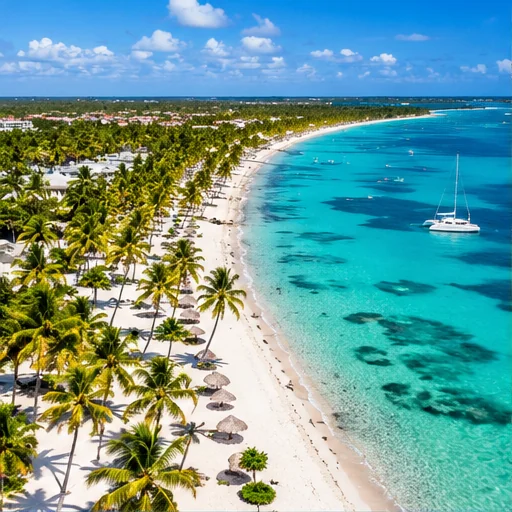
A week in the Dominican Republic is enough for a memorable vacation, but not enough to experience every coast, mountain range, and historic city without spending too much time in transit. The best seven-day plan balances one primary base, a handful of distinctive outings, and enough unscheduled time to enjoy where you are. This guide offers a realistic southeast-focused route, plus alternatives for travelers who prefer the north coast or the Samaná Peninsula.
First decide what “balanced” means to you
A balanced trip does not mean doing everything. For some visitors it means four beach days and one excursion; for others, it means a historic city, a local restaurant, a nature outing, and a few afternoons by the sea. Identify your top two priorities before booking flights. Then choose the arrival airport and accommodation location that reduce unnecessary transfers.
The route below combines Santo Domingo with Bayahíbe or Dominicus, giving a taste of city culture and a southeast-coast stay. It is not the only good option. It works best when flight schedules and ground transport make the connection sensible. If you fly into Punta Cana and want an easy resort holiday, a single-base variation may be much more efficient.
Before you book: the geography test
The Dominican Republic is larger and more varied than a resort map suggests. A city-to-coast transfer is a substantial part of a day once you include check-out, luggage, traffic, stops, and arrival. Avoid planning an itinerary with a new hotel every night. If you have only seven days, two bases are usually the practical upper limit for a first trip.
Compare flight arrival times, the airport nearest your preferred base, and whether the departure airport is the same as the arrival airport. One-way transfers, rental-car drop-off policies, and flight changes can materially alter costs. If an international flight lands late, consider sleeping near your arrival point rather than starting a long unfamiliar road journey at night.
Day 1 — Arrival and a gentle introduction
Arrive in Santo Domingo if your flights make that practical. Arrange transport to your accommodation, check in, and keep the evening simple. If you stay in or near the Colonial Zone, enjoy a short orientation walk and dinner at a restaurant chosen for its location and menu, not only online popularity. The purpose of day one is to settle into the country, not to exhaust yourself.
If your flight arrives elsewhere, adapt the route rather than forcing the original sequence. A long cross-country transfer after an overnight flight is rarely the best use of your first day.
Day 2 — Santo Domingo: history with time to absorb it
Dedicate the morning to the Colonial Zone and its streets, plazas, and historic buildings. Choose a small number of meaningful stops instead of rushing through every landmark. Check current opening hours and access rules directly with each institution. A qualified local guide can help explain the history of the city and its wider Caribbean context; compare credentials and the substance of the tour before booking.
For lunch, explore Dominican cooking beyond resort buffets. Look for dishes such as sancocho, mangú, stewed meats, rice-and-bean combinations, and regional specialties, depending on the restaurant and time of day. In the afternoon, leave room for a museum, shaded café, or neighborhood walk. Use licensed or reputable transportation for longer urban journeys, particularly after dark.
Day 3 — Transfer to the southeast coast
Travel to Bayahíbe or Dominicus, ideally during daylight. This is a relocation day, not an excursion day. Confirm pickup, luggage arrangements, and check-in time beforehand. Once you arrive, explore the immediate area, locate a grocery or pharmacy if needed, and take a relaxed beach walk.
Bayahíbe has a village character and is associated with boat departures and local services. Dominicus offers a different mix of accommodation and beach settings. They are close enough to compare but not interchangeable: the exact location of your hotel determines walkability, beach access, and evening options. A lower room rate may lose its appeal if every dinner requires a taxi.
Day 4 — Your first full beach day
Keep this day mostly open. Swim only where current conditions and local guidance indicate it is appropriate. Check for currents, waves, boat activity, and any warnings. Choose shade and hydration over hours in direct sun. If you are staying in an all-inclusive property, use the day to understand which amenities are genuinely included. If staying independently, explore a local lunch option and confirm restaurant opening hours.
The temptation to book an excursion every day is understandable, but unhurried beach time is a major part of why many people visit. A free afternoon also gives you flexibility if weather disrupts a later plan.
Day 5 — Saona Island or a different coastal experience
A Saona Island excursion is one option, not an obligation. Compare operators by departure point, group size, actual beach time, boat type, safety procedures, environmental practices, and cancellation policy. Some excursions prioritize a lively party atmosphere; others emphasize nature and quieter stops. Read the full itinerary carefully and verify what is included.
If you dislike boats, have mobility concerns, or simply prefer less structured days, choose a coastal walk, a nearby beach, or another local activity. Do not pay for a famous excursion merely because it appears on every “must-do” list. Your best experience is the one that matches your interests and comfort.
Day 6 — A flexible day for food, culture, or rest
Use this day to add what the trip is missing. Food-focused travelers might explore regional dishes and a carefully chosen restaurant. Active travelers can investigate a suitable nature outing with a reputable guide. Families may prefer a short morning activity followed by pool or beach time. Couples may want a slower day with an evening meal in town.
Keep the day flexible enough to respond to weather. If your boat excursion was postponed, this becomes the alternative day. If everyone is tired, take the hint and rest. A good itinerary contains recovery time, not just destinations.
Day 7 — Departure with a sensible margin
Check out, complete any required departure documentation, and travel to the airport with a conservative time allowance. Confirm your airline's recommended arrival time and current requirements. Ground transport can be affected by traffic, rain, and unexpected delays. Avoid planning a distant activity before an international departure.
If your return flight leaves from Santo Domingo, consider whether an earlier return to the city is safer than a same-day long transfer. The correct choice depends on the flight time and your tolerance for disruption.
Alternative A — One-base Punta Cana week
For travelers prioritizing simplicity, stay in one carefully chosen Punta Cana or Bávaro property. Use the first and last days for arrival and departure, reserve three or four days for beach and resort activities, and choose one or two excursions that justify their travel time. Consider a cultural or nature-focused outing rather than booking several similar boat trips.
This option reduces luggage handling and hotel changes, which can be especially valuable for families and travelers who want to relax. Its main limitation is that the trip may reveal less of the country's diversity unless you deliberately venture beyond the resort.
Alternative B — Samaná Peninsula week
A Samaná-focused itinerary can suit travelers drawn to coastal landscapes, smaller towns, and a more independent style of travel. Choose Las Terrenas if you want beaches plus a broad selection of restaurants and accommodation; consider Las Galeras for a quieter base with scenic excursions. Do not assume that nearby-looking places are quick to reach on every road.
Spend several days exploring your chosen base and surrounding beaches. Add a nature or boat excursion only after checking conditions, operator quality, and actual journey times. Whale-watching, when available, is seasonal and regulated; do not promise yourself a sighting or plan around it without checking current official information.
Alternative C — North-coast culture and adventure
Base yourself in Puerto Plata or another suitable north-coast community. Mix city sights with beach time and, if it fits your interests, a visit to Cabarete for wind sports or a guided activity. Different beaches along this coast can have very different surf conditions. Choose activities according to current weather, your skill level, and operator safety practices.
The north-coast alternative can provide variety without crossing the entire island. It is not automatically cheaper or faster than the southeast route; airfare and local transfer costs may change the comparison.
How to build a realistic daily budget
Start with lodging and airport transfers, then add food, excursions, local transportation, and a contingency. A nominally inexpensive hotel can be costly if it is far from restaurants and activities. Conversely, an all-inclusive rate may be good value if most meals and activities will be on-property. Compare the same travel dates, room occupancy, cancellation terms, and inclusions.
For each excursion, calculate the door-to-door commitment, not just the advertised activity length. Include pickup, waiting, travel, equipment, tips where appropriate, and meals not covered. Keep a weather contingency so a cancellation does not derail your whole week.
What to book in advance—and what to leave open
Book flights, your main accommodation, and a reliable arrival transfer early enough to secure suitable options. Reserve limited-capacity activities when necessary, but avoid paying nonrefundable deposits for every day of your trip. For tours, check refund and weather policies before paying. For dining, reservations may be worthwhile at particular restaurants, but there is no need to schedule every meal months in advance.
Verify official entry documentation requirements using Dominican government sources, including the immigration authority and the official E-Ticket service. Requirements can depend on nationality and travel circumstances; do not rely on a travel blog as the final authority.
Mistakes that make a seven-day trip feel rushed
Trying to combine Santo Domingo, Punta Cana, Samaná, Puerto Plata, and the mountains in one week is the classic planning trap. Other mistakes include booking a hotel by regional name rather than exact location, underestimating transfers, assuming every beach is swimmable, and filling every morning with an excursion. Avoid changing accommodation merely to collect destination names.
Seven-day planning checklist
Confirm your arrival and departure airports; choose one main region; limit hotel changes; map every transfer; verify beach and tour safety; budget total costs; keep one flexible day; check government entry information; and arrange reliable transport for your final airport journey.
Frequently asked questions
Is seven days enough to see the Dominican Republic? Enough to enjoy one or two regions well, not to see the whole country. Prioritize depth over coverage.
Should I rent a car? Only if you want independent exploration and are comfortable with local road conditions. A single-base beach vacation often works well with transfers and selected excursions.
Which itinerary is best for a first visit? The one that fits your flight airport, interests, and tolerance for transfers. A one-base itinerary is often better than an ambitious circuit.
Can I add the mountains? Yes, but consider replacing another region rather than adding a third distant base. Jarabacoa and Constanza reward time and planning, not a rushed photo stop.
The real goal of your week
A successful seven-day itinerary should leave you with a sense of the Dominican Republic's people, food, landscapes, and rhythm—not just a checklist of attractions. Choose fewer places, make room for local experiences, and plan enough flexibility to enjoy the unexpected.
Official sources
Rules, permits and entry requirements may change. Check official sources before traveling.