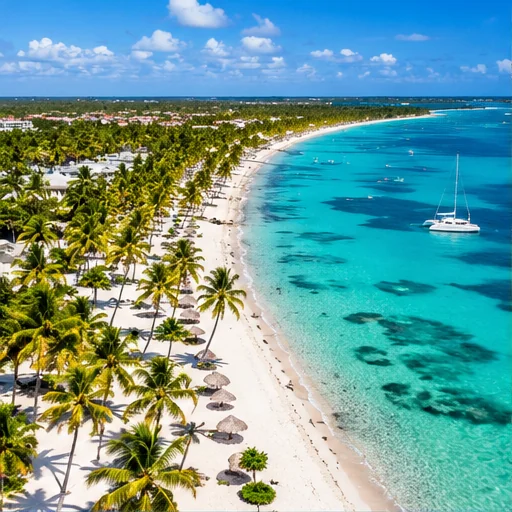
The Dominican Republic is not only a beach destination. Its mountains, forests, rivers, caves, mangroves and protected coastal areas create opportunities for hiking, birdwatching, canyoning, water sports and landscape-focused travel. The challenge is choosing activities that match your fitness, the season and the infrastructure of the region. A great adventure itinerary is built around safe access and meaningful time outdoors—not around collecting the most stops on a map.
Understand the country's different landscapes
The central highlands provide cooler elevations, agricultural valleys and mountain routes. The north coast combines Atlantic beaches, coastal hills and water-sport conditions. The Samaná Peninsula offers lush scenery, waterfalls and marine experiences. The southwest is known for striking contrasts between dry landscapes, mountain ranges and protected coastal environments.
These regions are not interchangeable. A traveler who wants a gentle guided nature walk needs a different plan from someone seeking strenuous mountain hiking or a technical river activity. Choose your base accordingly and avoid assuming that a short straight-line distance translates into an easy road transfer.
Jarabacoa: rivers, mountain air and active days
Jarabacoa is a popular gateway to the central mountains and river-based outdoor activities. Travelers come for the cooler setting, green hills and access to guided adventures. Depending on operator offerings and conditions, activities may include rafting, canyoning, hiking or horseback outings.
Ask operators exactly what the activity involves: total duration, physical effort, water conditions, required swimming ability, age limits and included equipment. A 'family adventure' label is not enough. River levels can change with rain, and a route that is appropriate one week may be unsuitable the next.
For a gentler day, choose a scenic viewpoint, an established trail or a relaxed outing that leaves time for local food. Do not fill every hour with high-intensity activities; the mountains are worth experiencing slowly.
Constanza: highland scenery and agricultural landscapes
Constanza offers a different mountain experience, with high-elevation valleys, agricultural activity and access to cooler-weather scenery. It can appeal to travelers who enjoy road trips, viewpoints and a quieter pace. Conditions may be cool, wet or foggy compared with the coast, so bring layers and footwear suited to changing weather.
Access to certain protected highland areas can be restricted or subject to specific rules. Do not assume you can drive into Valle Nuevo or visit every landmark on an old blog itinerary. Verify current access and permitted activities with the Dominican Ministry of Environment and locally authorized guides before making plans.
Respect farmland and private property. Scenic fields are working landscapes, not automatically open attractions. If you want an agricultural experience, book one that welcomes visitors rather than entering fields for photographs.
Pico Duarte: an expedition, not a casual day hike
Pico Duarte, the country's highest peak, attracts experienced hikers and visitors seeking a demanding highland journey. Routes involve significant elevation, variable weather and logistics that can include guides, permits, transport and overnight arrangements. Treat it as a multi-day expedition that requires preparation, not a spontaneous add-on to a resort holiday.
Choose an experienced authorized guide or organizer who can explain the route, safety plan, equipment requirements and current protected-area rules. Build physical conditioning into your preparation and be realistic about altitude, temperature, rain and trail conditions. A traveler who has never completed a sustained mountain hike should not judge readiness by the summit photograph alone.
Samaná: waterfalls, forests and seasonal marine life
The Samaná Peninsula offers a combination of coastal scenery and inland nature. El Limón waterfall is a well-known excursion, but access conditions, route difficulty and available transport can vary. Some approaches involve walking on uneven or muddy ground; others may offer different arrangements. Wear secure footwear and ask how much of the journey is on foot.
Samaná Bay is also associated with seasonal humpback whale watching. The viewing season, permitted operating practices and conditions are regulated and should be checked with current official guidance and appropriately authorized operators. Wildlife sightings are never guaranteed. Choose operators that keep respectful distances and explain the rules rather than promising close encounters.
A nature-focused Samaná itinerary works best with flexibility. Heavy rain can change trail conditions, and boat trips depend on the sea. Keep alternative activities available.
Los Haitises: mangroves, caves and protected landscapes
Los Haitises National Park is associated with mangrove systems, limestone formations and cave environments. Access update (checked 16 November 2026): the Dominican Ministry of Environment announced a temporary closure of Cueva de La Línea on 23 June 2026 because of deterioration at its access dock. The ministry stated that other authorized public-use areas of Los Haitises would continue operating. Do not book a tour specifically promising La Línea without obtaining fresh confirmation that it has reopened. Ministry announcement. Visits typically require organized access appropriate to current park rules. A guided trip can help travelers understand the landscape, but the quality of the experience depends on the route, the guide's knowledge and the operator's environmental practices.
Ask whether the trip focuses on mangroves, caves, wildlife interpretation or a combination. Confirm departure location and total travel time; a park tour can involve substantial transport before you even reach the main attraction. Follow restrictions on entering caves, touching formations, photographing sensitive areas or disturbing wildlife.
The southwest: dramatic landscapes and careful logistics
Barahona and Pedernales are compelling for travelers who prefer less developed routes and striking scenery. Mountain-to-sea landscapes, coastal viewpoints and protected areas can reward a patient road trip. They also demand more planning: services may be limited, road conditions vary and distances can feel longer than the map suggests.
Bahía de las Águilas is best approached with respect for the surrounding protected environment. Confirm legal access, transport arrangements and current visitor rules. Carry water, sun protection and a plan for taking waste away. Do not expect a remote shoreline to have the amenities of a resort.
In the wider southwest, protected habitats are ecologically sensitive. Avoid off-road driving, collecting wildlife or entering restricted zones. For specialized birdwatching or ecology trips, an experienced local naturalist can make a major difference.
Monte Cristi: coastal ecosystems and quieter exploration
Monte Cristi's landscape includes dramatic coastal features, mangroves and marine habitats. Nature activities can involve boat trips, viewpoints and guided exploration, subject to protected-area regulations and conditions. It is a place to appreciate ecosystems, not simply to use them as a backdrop for photos.
Ask about boat safety, sun exposure and whether the route includes walking on uneven terrain. Avoid touching or collecting marine organisms and keep distance from nesting and feeding wildlife. Operators who explain local conservation rules are preferable to those who treat every natural feature as an unrestricted attraction.
Cabarete: wind-driven adventure on the north coast
Cabarete is associated with kiteboarding and other wind sports. These activities require instruction, appropriate weather assessment and respect for designated areas. Beginners should book qualified lessons rather than rent equipment without understanding local conditions.
Swimming, surfing and kiteboarding have different safety needs. A beach that is excellent for experienced riders may not be suitable for a family seeking calm water. If your group has mixed interests, plan separate activities and a clear meeting point rather than expecting everyone to enjoy the same stretch of shoreline.
Caves and underground attractions
The country has cave environments that vary from developed visitor attractions to sensitive protected systems. Do not enter an unfamiliar cave without appropriate access, guidance and equipment. Water levels, slippery surfaces, low ceilings and restricted passages create hazards that are easy to underestimate.
Choose established tours that explain their route, lighting, footwear and safety procedures. Do not touch cave formations or remove natural materials. Where cultural or archaeological features are present, respect preservation rules and any restrictions on photography.
Wildlife watching without harming wildlife
Wildlife encounters are most rewarding when animals behave naturally. For whale watching, birding, reef excursions and other experiences, choose operators who follow local regulations and maintain appropriate distances. Never feed wild animals to obtain a photograph. Avoid loud music, flash or intrusive drones near sensitive habitats.
A guide who can explain habitat and conservation challenges may deliver more value than an operator who promises the closest possible encounter. Bring binoculars for birdwatching and use a camera lens rather than approaching nesting sites.
Match adventure to your physical ability
Ask five questions before booking: How long is the activity? How much walking or climbing is involved? Is swimming required? What happens if weather changes? What equipment and supervision are included? Request a candid difficulty assessment, especially if you are traveling with children, older relatives or anyone with mobility limitations.
For water-based activities, check life jackets, helmets where appropriate, guide qualifications and emergency plans. For hiking, consider heat, humidity, altitude, daylight and trail conditions. A shorter excursion completed comfortably is better than a demanding route that leaves your group exhausted or exposed.
Build a realistic nature itinerary
Three days based in Jarabacoa: Arrive and settle in; dedicate one full day to a guided activity suited to your group; reserve another day for a scenic outing, local dining and flexibility if weather disrupts plans.
Four days on the Samaná Peninsula: Spend a day exploring your base, a day on a guided waterfall or nature excursion, a day for an appropriate coastal or marine activity and a final day with flexibility. Whale watching is relevant only in the appropriate season and subject to current rules.
Five or more days in the southwest: Travel during daylight, allow time for Barahona-area landscapes and use Pedernales as a planned base for permitted protected-area excursions. Build in buffer time rather than treating every stop as a quick detour.
These are planning frameworks, not fixed tour schedules. Confirm road conditions and operating arrangements before committing.
Responsible travel in protected areas
Use designated routes, follow permit and guide requirements, and pack out all waste. Keep noise low, avoid damaging vegetation and do not disturb cultural or archaeological sites. Never assume that a location is open because it appears in an older social-media video.
Choose locally operated experiences when they meet safety and conservation standards. Ask how guides are paid and whether the activity supports local communities. Respect residents' privacy and do not fly drones without confirming applicable restrictions.
What to pack for nature-focused travel
Pack sturdy footwear appropriate to the activity, lightweight rain protection, sun protection, refillable water containers, insect protection and a small first-aid kit. For highlands, add warm layers. For boat trips, protect electronics from spray and follow operator guidance on flotation devices.
Carry offline maps and a charged phone, but do not assume cellular coverage in remote areas. Tell someone your route and expected return when undertaking a demanding excursion. Do not rely on a casual social-media itinerary as your only navigation or safety plan.
Frequently asked questions
Can I combine beaches and mountains in one week? Yes, but travel time matters. Choose one beach region and one mountain base rather than attempting several distant regions.
Is Pico Duarte suitable for beginners? It is a demanding expedition. Beginners should first assess fitness, route requirements and guide recommendations rather than treating it as an ordinary day hike.
Do I need a guide in national parks? Requirements vary by park, activity and current rules. Check with the relevant authority and use authorized guides where required.
Is whale watching available year-round? No. It is seasonal and subject to regulations and wildlife behavior. Confirm current dates and authorized operators before booking.
What if the weather changes? Be willing to postpone or cancel. Rivers, mountain trails and boat routes can become unsafe quickly. A reputable operator should explain its decision process.
The adventure worth planning
The most memorable Dominican nature trip is not the one with the longest checklist. It is the one that gives you time to appreciate a landscape, learn from knowledgeable local people and return safely. Choose fewer experiences, research them carefully and leave room for the conditions nature actually provides.
Official sources
Rules, permits and entry requirements may change. Check official sources before traveling.