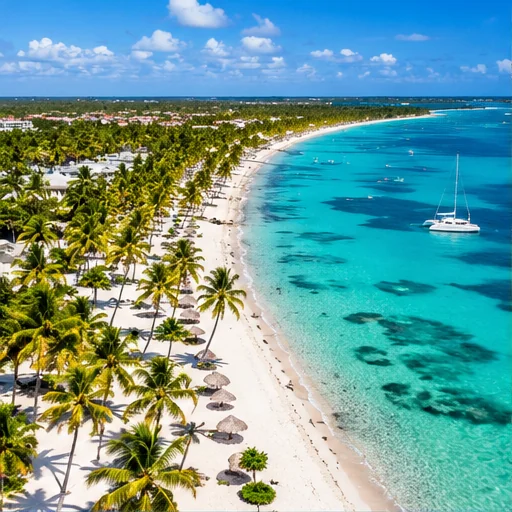
There is no universally perfect month for visiting the Dominican Republic. The best time depends on whether you prioritize predictable beach days, lower accommodation prices, quieter towns, whale watching, outdoor hiking or a particular festival. The country's geography matters as much as the calendar: conditions on the Atlantic-facing north coast can differ from those on the Caribbean coast or in the central mountains.
First, understand what “dry season” really means
Travel guides commonly describe roughly December through April as a comparatively drier, popular travel period in many tourist areas. That is a useful starting point, not a guarantee of uninterrupted sunshine. Tropical showers remain possible, and regional patterns differ. The north coast and Samaná can receive substantial rainfall during months that are relatively dry elsewhere. If your priority is a particular beach, research that coastline rather than relying on a countrywide monthly icon.
Warmer, more humid conditions are common in parts of the year outside the peak winter travel period. This can suit travelers who tolerate heat and want to compare off-peak prices, but the trade-off is a greater need for flexible outdoor plans. Some attractions may be less crowded; others depend on seasonal demand and local operating schedules.
December through February: popular, comfortable, and often busier
Many visitors from colder climates choose the Dominican Republic during northern winter. Beach resorts can be busy around Christmas, New Year and school holidays, with prices and minimum-stay requirements reflecting demand. Book early if you need connecting rooms, accessible accommodation or a specific property. If your dates are flexible, compare weekdays and periods outside major holidays rather than assuming an entire month costs the same.
For city sightseeing, cooler mornings and evenings may be more comfortable than the hottest parts of summer. Still, bring sun protection and water; tropical sunshine remains strong. Mountain areas such as Constanza and Jarabacoa can feel distinctly cooler than the coast, particularly at night or at elevation, so pack a light layer.
March and April: attractive but not uniformly quiet
Late winter and early spring can offer appealing conditions for a mixed itinerary, but demand can surge around Easter and Semana Santa. During Holy Week, many domestic travelers head to beaches and recreation areas. Road traffic, hotel occupancy and local access arrangements can change, and some services may operate differently. Plan ahead and respect local rules and community celebrations.
If you want to combine Santo Domingo's cultural attractions with a coastal stay, consider the practical effects of holiday travel. A journey that looks straightforward on a map may take much longer during peak departure or return periods.
May and June: flexibility becomes valuable
As conditions shift toward warmer and, in many places, wetter weather, it pays to plan outdoor excursions with alternatives. A morning beach outing, an indoor museum visit and a flexible restaurant reservation can work better than booking every hour. Rates may be competitive in some areas, but always compare the total package, including flight availability, cancellation terms and transfer arrangements.
The official Atlantic hurricane season runs from June 1 through November 30, according to the US National Hurricane Center. The start of the season is a calendar marker, not a forecast that a storm will affect your particular trip. Monitor official advisories close to travel and understand what your airline, hotel and insurer will do if severe weather changes your plans.
July and August: school holidays and summer heat
Families often travel during school breaks, so do not assume summer automatically means empty resorts. High temperatures and humidity can make long midday city walks tiring. Organize sightseeing earlier in the day, schedule breaks, and check that your accommodation has reliable cooling. In mountain regions, rain can affect trails and river conditions; ask local guides about safe access rather than following a route solely because it appears online.
Water activities require attention to conditions rather than the month alone. A sunny forecast does not eliminate currents, wind or swell. Boat excursions should have weather-related cancellation procedures, and beach visitors should heed local lifeguard advice.
September and October: evaluate weather risk honestly
These months fall within the Atlantic hurricane season. They can offer attractive prices in some locations, but the possibility of tropical storms or hurricanes deserves explicit consideration. Do not confuse a low room rate with a low-risk booking. Flexible cancellation, travel insurance that actually covers the relevant scenarios, and a realistic contingency plan may be more valuable than a small discount.
Check official National Hurricane Center bulletins and Dominican meteorological advisories. Forecasts evolve; do not treat long-range seasonal predictions as a reliable day-by-day forecast. If your vacation dates are fixed and your tolerance for disruption is low, consider whether another travel period better fits your priorities.
November: a transition, not a magic switch
November can be a transitional period as the hurricane season draws to a close, but conditions still vary by region and year. Prices may change as the winter high season approaches. Travelers interested in a mix of outdoor activities and city visits can benefit from flexible plans, especially if they book weather-dependent excursions after arriving rather than months in advance.
Regional considerations that matter more than averages
Punta Cana and Bávaro: examine local beach conditions, wind and possible sargassum accumulation. Seaweed varies over time and by specific beach; no single month guarantees an entirely clear shoreline. Ask for recent information about the beach directly in front of your accommodation.
Bayahíbe and the southeast Caribbean coast: sheltered water and excursion access can differ from exposed Atlantic beaches, but boating still depends on weather. Confirm conditions for trips to Saona and do not assume every operator departs from the same location.
Puerto Plata, Cabarete and Sosúa: the Atlantic-facing coast can experience stronger surf and wind. That is a positive for some watersports and a drawback for swimmers seeking calm water. Cabarete's watersport appeal should not be mistaken for a guarantee of beginner-friendly swimming every day.
Samaná and Las Terrenas: lush landscapes and waterfalls are part of the appeal, but rainfall and road conditions can affect excursions. Whale watching in Samaná Bay is a seasonal attraction generally associated with winter; verify current authorized tour periods and conservation rules rather than assuming boats operate year-round.
Santo Domingo: museums, restaurants and historic neighborhoods make it easier to adapt a rainy day. Heat, humidity and urban traffic can still shape your sightseeing schedule. Reserve indoor activities for the hottest part of the day when practical.
Jarabacoa and Constanza: higher elevation means cooler conditions, especially in the evening. Rainfall can affect hiking, river levels and mountain access. Choose guides with local knowledge, appropriate equipment and a willingness to cancel unsafe outings.
Events, crowds and prices
Peak demand is driven not only by weather but also by Christmas, New Year, Easter, school vacations, long weekends and local events. Hotels in the same town can have very different pricing patterns depending on their clientele. Compare refundable and nonrefundable rates carefully. A cheaper prepaid rate is not always good value when your travel dates or weather plans are uncertain.
Do not plan a trip around a festival, concert or excursion solely on the basis of last year's dates. Organizers may change schedules, locations or admission arrangements. Confirm details with official organizers before purchasing flights.
A practical decision guide
If you want maximum scheduling confidence for a short beach trip, compare popular winter and early-spring dates while recognizing the cost and crowd trade-off. If you want lower prices and have flexible dates, examine shoulder periods and cancellation options rather than picking the cheapest month blindly. If you want hiking and waterfalls, prioritize current trail and river conditions. If you want whale watching, plan around the officially authorized season. If you want city dining and culture, the capital is rewarding year-round, with timing and daily pacing adjusted to heat and rain.
Before booking
Check the climate of the exact region, not just “Dominican Republic”; compare school-holiday demand; understand storm-season insurance exclusions; research the beach's exposure and water conditions; check the operating season of your must-do activities; and allow at least one flexible day in a weeklong itinerary. The best month is the one whose compromises you understand and accept.
Official sources
- US National Hurricane Center (season dates and climatology): https://www.nhc.noaa.gov/climo/
- Dominican National Meteorological Institute: https://indomet.gob.do/
- Dominican Ministry of Tourism: https://mitur.gob.do/
Official sources
Rules, permits and entry requirements may change. Check official sources before traveling.