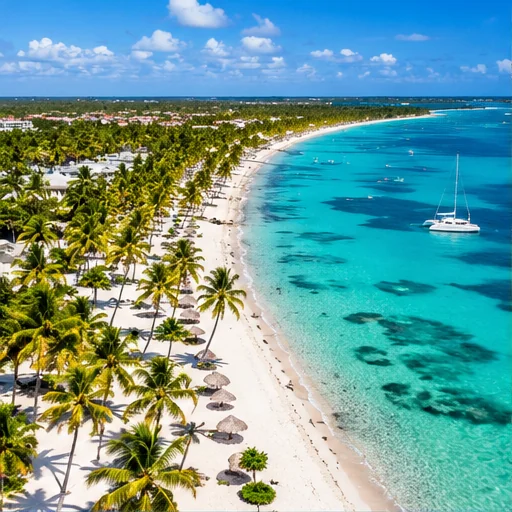
The Dominican Republic is often marketed as a single continuous ribbon of turquoise water. In reality, its coastlines vary enormously. Some beaches have wide sandy stretches and resort facilities; others are compact coves, surf breaks, fishing beaches or remote shorelines where access and sea conditions require careful planning. The best beach is not necessarily the most photographed one. It is the one that suits your swimming ability, travel companions, preferred atmosphere and the season of your visit.
Begin with the beach experience you actually want
A relaxation beach needs comfortable access, shade, practical facilities and a setting you enjoy for several hours. A swimming beach requires attention to currents, waves, underwater conditions and any posted warnings. A surf or kiteboarding beach can be excellent for sports while unsuitable for casual swimming. A remote scenic beach may offer extraordinary landscapes but little or no infrastructure.
Before choosing accommodation, decide whether your priorities are swimming, snorkeling, walking, watersports, family time, solitude or lively restaurants. These needs do not always overlap, even along the same stretch of coast.
Punta Cana and Bávaro: convenience and long sandy stretches
The eastern resort coast is well suited to travelers who want hotels, organized activities and easy access to beach facilities. Bávaro is associated with long stretches of sand and a concentration of tourism services, but individual sections differ in wave exposure, crowd levels and nearby development. The name of a resort zone is not a guarantee that every property fronts the same type of beach.
When comparing hotels, inspect the exact shoreline location rather than relying on a generic Punta Cana photograph. Ask whether the beach is directly accessible, whether loungers are reserved for guests and whether any seasonal seaweed management is in place. Sargassum can affect parts of the Caribbean coast unpredictably; conditions change with currents and weather and cannot be guaranteed months ahead.
Best for: travelers prioritizing a convenient resort vacation, easy beach days and a wide selection of organized services.
Think twice if: you expect complete solitude, untouched shorelines or the freedom to explore multiple distant beaches without transport.
Bayahíbe and Dominicus: a different southeastern rhythm
Bayahíbe is a coastal village and excursion gateway near the southeast of the country. The nearby Dominicus area has a different hotel and beach atmosphere, and the coastline can offer conditions distinct from the Atlantic-facing north. Travelers often consider this area for beach relaxation and access to boat excursions, including routes toward Saona Island.
Do not assume the excursion departure point is the same as your hotel's beach. Check the operator's meeting location, journey time and sea conditions. On busy excursion days, boat traffic can shape the atmosphere around departure areas. If your goal is a quiet swim, choose your particular beach and time of day carefully.
Best for: visitors combining a beach stay with southeastern coastal excursions.
Saona Island: beauty with a logistical reality
Saona is famous for palm-lined shorelines and luminous water, but most visitors experience it as part of a scheduled boat excursion. The trip can involve early departures, transfers, group stops and weather-related changes. Tour descriptions vary: some emphasize beach time, others include several stops and entertainment. Confirm the itinerary and how long you will actually spend on the sand.
Saona is within a protected coastal landscape. Follow park and operator rules, avoid touching wildlife and do not collect natural materials. A beautiful photograph should not come at the expense of the ecosystem. For a quieter experience, compare group sizes and routes rather than assuming every tour offers the same day.
Las Terrenas: beach life mixed with town life
Las Terrenas, on the Samaná Peninsula, appeals to visitors who want beaches alongside independent restaurants, shops and accommodation. Different beaches and sections of coast offer different conditions. Some are convenient to town; others are better reached by a vehicle or organized excursion.
Consider whether you want to walk to dinner after the beach. A property near the sea but far from restaurants can change your transport budget. Ask about road access and parking for outlying beaches, especially after heavy rain. Conditions can shift along the shore, so choose swimming spots based on local advice rather than assuming the entire beach is equally sheltered.
Best for: independent travelers who want a blend of beach days, dining and regional exploration.
Las Galeras and the eastern Samaná coast
Las Galeras is a smaller coastal base associated with scenic coves and excursions to more secluded shorelines. Beaches such as Playa Rincón are frequently discussed in travel planning, but getting there, finding facilities and choosing safe swimming conditions require more preparation than a resort beach day.
Ask locally about the current access route, whether transport is appropriate after rain and what food or shade will be available. If arriving by boat, verify the operator's weather policy and safety equipment. Do not equate an isolated appearance with risk-free swimming: currents and waves may be significant even when a beach looks calm from shore.
Best for: travelers comfortable planning transport and trading convenience for a quieter landscape.
Puerto Plata: urban access and north-coast variety
The Puerto Plata area combines city amenities with several beaches and coastal communities. Some beaches are practical for an easy outing; others are more exposed to Atlantic swells or influenced by local activity. A hotel advertised as being in Puerto Plata may be far from the particular beach you have in mind.
If you want to explore the historic city and spend time on the coast, map the distance between your lodging and both activities. If you plan to swim, seek up-to-date local guidance on water conditions and designated safe areas. The north coast can be especially dynamic when surf increases.
Sosúa: a sheltered-bay appeal with trade-offs
Sosúa is known for a bay setting and access to snorkeling and beach services, though conditions and the character of individual areas can change. The beach can be lively, with vendors, restaurants and excursion activity. If you prefer a quiet stretch with little commercial activity, check recent visitor information and consider timing.
For snorkeling, ask about visibility, boat activity and whether guided trips provide appropriate equipment. Protect coral and marine life by maintaining distance and never standing on reef formations. A sheltered bay does not remove the need to assess conditions on the day.
Cabarete: excellent for wind sports, not every swimmer
Cabarete's international reputation is closely tied to wind-driven water sports. That makes it attractive for kiteboarding and related activities, but the same conditions that excite experienced riders can complicate casual swimming. Lessons should be booked with qualified operators who assess your ability and explain designated launch and swimming areas.
If you are traveling with young children or want long, calm swims, do not book solely on the strength of the beach's popularity. Identify the sections and times appropriate for your group, and ask about seasonal wind and surf patterns.
Río San Juan and nearby scenic beaches
The Río San Juan region is a useful base for travelers interested in a quieter north-coast experience. Playa Grande is often discussed for its dramatic setting and wide sandy character, but ocean conditions can be powerful. Scenic beaches are not automatically suitable for inexperienced swimmers.
Transport and facilities vary by location. Check access, opening arrangements if any, and whether lifeguards or other safety support are present. A car or arranged driver may be more practical than assuming you can walk between all the area's attractions.
Barahona and the southwest: dramatic, sometimes rugged shores
The southwest offers a coastal character unlike the heavily developed resort east. Around Barahona, visitors may encounter pebble beaches, strong waves, river mouths and mountain-to-sea scenery. Some sites are better for photography and landscape appreciation than for swimming.
Be especially careful where rivers meet the sea, where waves break onto stones or where currents are not obvious. Do not rely on resort-beach expectations for facilities, accessibility or supervision. Build a flexible road itinerary with adequate fuel, water and daylight.
Pedernales and Bahía de las Águilas
Bahía de las Águilas is celebrated for its remote coastal landscape within the Jaragua protected-area region. Its appeal is closely connected to limited development, which means visitors should not expect the conveniences of a serviced resort beach. Access may involve road travel and a boat or another locally arranged approach depending on current conditions and regulations.
Check official protected-area guidance and local transport arrangements before departure. Carry water, sun protection and a plan for waste. Do not assume you can camp, drive on the beach or enter any area without restrictions. Avoid unverified claims about guaranteed access or facilities.
Best for: travelers who value remote landscapes and can plan responsibly, not those seeking a full-service beach club.
Monte Cristi: scenery, mangroves and marine ecosystems
The northwest coast near Monte Cristi offers a distinctive mix of coastal scenery, mangroves and protected marine environments. Some excursions emphasize landscapes and wildlife rather than swimming. Boat conditions, protected-area rules and availability of local guides matter more than a generic beach ranking.
Avoid disturbing mangroves, nesting areas or wildlife. If snorkeling or boating, choose operators who explain local restrictions and minimize impacts. Do not assume every stretch of coast is freely accessible or suitable for a beach picnic.
How to judge a beach before entering the water
Check weather, wave and current conditions on the day. Ask knowledgeable local staff where swimming is appropriate. Look for posted warnings and respect closures. Never assume a calm-looking surface means there is no rip current. If caught in a rip current, do not fight directly against it; seek to stay afloat, signal for help and follow established water-safety guidance.
Avoid swimming alone in isolated locations, especially without lifeguards. Keep children within arm's reach in the water, even in shallow areas. Use a properly fitted life jacket for boat excursions when appropriate and follow crew instructions.
For snorkeling, visibility and boat traffic matter. Use reef-safe practices: do not touch coral, feed fish or remove shells and other natural objects from protected places. If you are unfamiliar with a location, a reputable local guide may improve both safety and enjoyment.
Sargassum, rain and seasonal variability
Seaweed accumulation varies by coast, beach and time. A resort's current cleaning practices can help, but no operator can promise a seaweed-free beach throughout an entire future season. Heavy rain can change river outflows and nearshore water quality. Atlantic swell and wind patterns also affect swimming and watersports differently across regions.
For an upcoming trip, compare recent conditions from multiple reliable sources and ask your accommodation about the exact beach section. Keep one non-beach activity available as a backup. The Dominican Republic offers historic districts, mountain excursions, food experiences and cultural attractions that can rescue a day when the sea is uncooperative.
Facilities, access and respect for local communities
A beach may be public in principle while practical access routes, parking or nearby facilities are complicated. Do not assume that every resort path is an unrestricted public entrance. Confirm lawful access points and respect private property and protected-area regulations.
Buy from local vendors respectfully, agree on prices before services and dispose of waste properly. Avoid drones where restricted or intrusive, and ask permission before photographing individuals. A good beach visit should benefit rather than disrupt the community that hosts it.
A practical beach-planning checklist
- Identify your primary purpose: swimming, walking, sports, snorkeling or scenery.
- Verify the exact beach, not merely the destination name.
- Check transport time, parking, shade, bathrooms and food availability.
- Ask about current waves, currents and local warnings.
- Confirm excursion inclusions and cancellation policies.
- Pack sun protection, drinking water and appropriate footwear.
- Respect marine life, protected areas and local access rules.
Frequently asked questions
Which coast is best for a first visit? The eastern resort coast is convenient for many first-time beach vacations, but independent travelers may prefer Samaná or the north coast. The right choice depends on your interests and travel style.
Is the water always calm in Punta Cana? No. Conditions vary by exact beach and weather. Never choose a swimming spot based on marketing photos alone.
Can I visit remote beaches without a guide? Sometimes, but transport, road conditions, protected-area rules and safety may make local assistance advisable. Verify current conditions first.
Are all Dominican beaches sandy? No. The country includes sandy beaches, rocky or pebbled shores, coves and mangrove environments.
How do I avoid crowds? Choose a suitable shoulder-season window, explore less busy regions and visit popular sites at quieter times where permitted. Do not assume remote means safer or easier.
The better way to choose
Choose a region based on the rest of your trip, then select a specific beach based on the activities and conditions you want. The Dominican Republic's coastline is diverse enough that a carefully chosen smaller beach can be more memorable than a famous one that does not fit your expectations.
Official sources
Rules, permits and entry requirements may change. Check official sources before traveling.