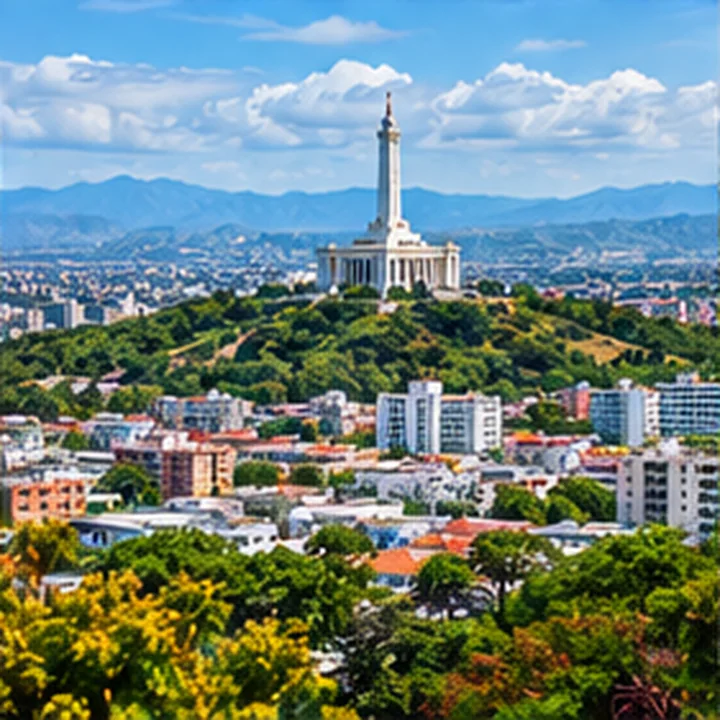
Santiago de los Caballeros rewards travelers who want to understand Dominican life beyond the resort corridor. This is a working city in the Cibao Valley, known for its commercial energy, baseball culture, music, museums and connections to the surrounding countryside. It is not a substitute for a beach vacation. Its appeal is the combination of urban experiences, everyday food culture and accessible excursions into the interior. Two nights give you an introduction; three allow a more relaxed pace.
At a glance
Best for: Independent travelers interested in culture, local experiences and carefully planned excursions. Suggested stay: Two to three nights. Planning priority: Confirm operating arrangements and transportation before committing to a fixed schedule.
Who should visit Santiago?
Choose Santiago if you enjoy cities where the attractions are part of everyday life rather than a curated resort environment. It works particularly well for repeat visitors, people interested in Dominican history, and travelers combining the north coast with the mountains. It is less suitable if your priority is walking directly from a hotel onto a beach. The city can be hot, busy and traffic-heavy, so plan fewer stops per day than a map initially suggests. A short visit with a thoughtful itinerary is better than rushing through every museum.
Understanding the city and choosing a base
The Monumento a los Héroes de la Restauración is a useful geographic reference and one of Santiago’s recognizable landmarks. Accommodation near the central commercial districts can be practical for restaurants and taxis, but a central address does not guarantee a quiet room. Compare actual travel times to the attractions you intend to visit, not merely straight-line distance. If you plan late evenings, prioritize a well-reviewed hotel with dependable reception, safe transportation arrangements and air conditioning. Travelers with a car should confirm parking before booking; street parking is not always straightforward.
Verified landmark context. The Dominican Republic's government film-location registry identifies the Monumento a los Héroes de la Restauración in Santiago de los Caballeros and links its dedication to the Restoration War of 1863–1865. It describes a 67-metre monument and interior historical displays. The registry is evidence of the landmark's identity and historical context, not confirmation that the interior is currently open or that every exhibit is accessible; check with the monument's administration before arranging a timed visit. Source: https://dgcine.gob.do/locaciones/locacion/monumento-de-los-heroes-de-la-restauracion/ .
The Monument and the history behind it
The Monumento a los Héroes de la Restauración anchors a visit to Santiago. The Dominican Restoration War is an essential chapter in the country’s nineteenth-century history, and the monument offers a starting point for learning about it. The grounds are also a public gathering space and a useful viewpoint over parts of the city. Confirm current visitor access and any interior exhibit schedule rather than assuming every level is open. A good visit combines time around the monument with a museum or cultural stop that supplies the historical context the architecture alone cannot convey.
Museums, culture and craft
Centro León is a particularly worthwhile cultural stop for visitors interested in Dominican art, identity and heritage. Exhibition schedules and visitor arrangements can change, so check its own official channels before leaving your hotel. Santiago’s cultural identity also connects to tobacco production and craftsmanship in the Cibao region. If considering a cigar-related visit, choose an established venue, ask whether tours are available and distinguish educational visits from shopping experiences. A museum-first itinerary works well during the hottest part of the afternoon and gives the day more depth than a sequence of photo stops.
Where to eat and what to order
Use Santiago as an opportunity to try regional Dominican cooking in an ordinary restaurant rather than limiting meals to hotel dining. Look for a well-run comedor or restaurant serving la bandera—rice, beans, meat and salad—or hearty dishes such as sancocho when available. Mofongo and mangú are also widely recognizable, though individual menus vary. For breakfast, seek fresh fruit, eggs, local cheese and Dominican coffee. Food safety matters more than finding the cheapest plate: choose places with visible turnover, clear menus and sensible handling of chilled ingredients. Ask about service charges and taxes before treating the listed price as your final bill.
Evenings and live music
Santiago has a social and nightlife scene, but it is not concentrated in one universally walkable tourist district. Choose a venue based on the kind of night you want—conversation, live music, dancing or dinner—and arrange the return journey before going out. Music schedules are highly changeable. Rather than naming a permanent “best” venue, consult current event calendars and hotel recommendations close to your travel dates. If you are unfamiliar with the city, use an established transport provider and avoid wandering between distant nightlife locations late at night.
Day trips into the Cibao
Santiago is a sensible starting point for exploring the agricultural and mountainous interior. La Vega and other nearby communities offer a different perspective on the region, while longer journeys toward Jarabacoa can introduce rivers and cooler mountain settings. However, a mountain excursion should not be treated as a quick city attraction. Road conditions, traffic and weather can turn a short-looking route into a full-day commitment. Decide whether you want a scenic drive, an organized activity or an overnight mountain stay; each requires a different plan.
Getting there and moving around
Cibao International Airport serves the Santiago area, but flight availability depends on your origin and dates. Travelers arriving via Santo Domingo or Puerto Plata should compare total transfer time and cost rather than assuming one airport is automatically cheaper. Within Santiago, walking is best for selected short stretches, not for connecting every attraction across town. Taxis and app-based rides may be useful where available; confirm pickup details and fares. Avoid planning tight museum-to-museum connections at peak traffic hours. A private driver can be worthwhile for a group with several stops.
A practical two-day itinerary
Day one: arrive, settle into a convenient hotel and visit the Monument area when temperatures are more comfortable. Have a relaxed Dominican dinner and save the evening for a single planned activity. Day two: devote the morning or afternoon to Centro León, add a neighborhood food stop, and leave space for a market or cultural experience that genuinely interests you. If you have a third day, make it an excursion outside the city rather than cramming more urban stops into the same afternoon. This rhythm leaves room for traffic, weather and unplanned discoveries.
Budget and booking strategy
Santiago can offer strong value compared with high-demand beachfront resort zones, but transport and dining choices shape the total cost. A cheaper room far from your planned activities may lose its advantage after several taxi trips. Compare hotels using recent reviews that mention noise, water pressure, air conditioning and Wi-Fi. If your stay coincides with a festival, major sporting event or holiday, book earlier and verify cancellation conditions. Build a daily allowance for transport, meals and admissions, then keep a contingency rather than treating every estimated cost as guaranteed.
Safety, accessibility and realistic expectations
Apply ordinary urban travel precautions: protect your phone in crowded areas, use reliable transport at night and avoid displaying large amounts of cash. Sidewalk conditions and street crossings can be inconsistent; travelers with limited mobility should ask venues directly about step-free access and elevators. The heat can make an apparently easy walking route tiring. Carry water, schedule breaks and choose a centrally located hotel if you prefer less travel between stops. Santiago is best appreciated as a real city with genuine complexity, not as an all-inclusive attraction.
Questions travelers often ask
Is Santiago worth visiting without a beach? Yes, if culture, food and city life are central interests. Is one day enough? One day covers a highlight or two, but two nights allow a much more satisfying introduction. Can you combine Santiago with Puerto Plata? Yes, with realistic transfer planning; they offer contrasting urban and coastal experiences. Is a rental car necessary? Not for a focused city stay, although it may help with independent regional excursions. Check current opening arrangements for individual attractions before committing to a rigid schedule.
Editorial verification and official resources
Information about hours, admission, guides, events, transport and weather changes. Verify details before publication and again before travel. Official starting points: Dominican Ministry of Tourism, Ministry of Environment protected areas, and Dominican Migration. No links to competing tourism portals are included.
Official sources
Rules, permits and entry requirements may change. Check official sources before traveling.