Best for: travelers who want beaches alongside history, urban culture, excursions and a choice of resort or independent accommodation. Think twice if: your only priority is a sheltered, consistently calm beach or you expect every attraction to be walkable from one hotel.
First, understand the geography
Puerto Plata can refer to the city, the province or a much wider north-coast vacation area. That distinction matters when booking. The historic city, the resort zone of Playa Dorada, the beach towns farther east and the attractions toward the west are separate bases. A hotel marketed under “Puerto Plata” may not be in the city at all. Check the exact address and the transfer time from Gregorio Luperón International Airport (POP), rather than relying on the destination label. Santiago’s airport is another possible arrival point, but involves an overland journey through the mountains.
The city itself rewards travelers who like to walk through streets, see historic architecture and eat outside their hotels. Playa Dorada is organized around visitor accommodation and beach access. Sosúa and Cabarete are different towns, each with its own character; they deserve their own planning rather than being treated as Puerto Plata neighborhoods. Decide whether you want the city as your everyday base or a beach property with occasional city visits. Trying to do both without transport can become expensive.
Where to stay: city, Playa Dorada or a quieter base?
Choose central Puerto Plata when local restaurants, city landmarks and a less resort-centered routine are important. Compare the actual streets around your accommodation, nighttime access and parking if driving. A charming guesthouse may have fewer facilities than a beachfront resort, and that can be a good trade if you plan to spend most of your days exploring.
Playa Dorada is more straightforward for a conventional beach holiday. Check whether the property has direct beach access, whether beach loungers are included, and what dining choices are available without a taxi. Some properties are better suited to families; others emphasize adults or groups. Never assume that every hotel in a resort district has the same beachfront or food arrangements.
For a quieter experience, look at smaller properties outside the busiest clusters, but calculate the cost of taxis or a rental vehicle. Ask about road conditions, late arrivals, Wi-Fi and power backup if you intend to work remotely. If a listing promises a sea view, check whether that means an unobstructed ocean outlook or a distant glimpse between buildings.
What to see in Puerto Plata city
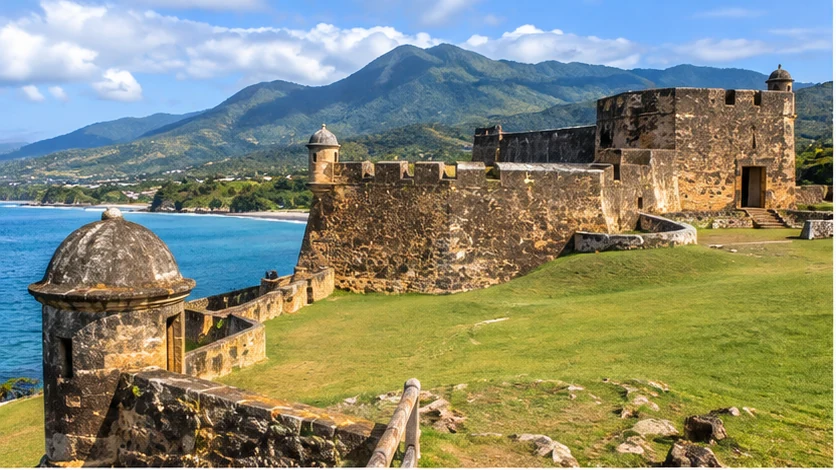
Fortaleza San Felipe is a useful introduction to the north coast’s colonial-era maritime history. Pair it with a walk along the waterfront and time in the older parts of the city rather than rushing through for one photograph. The colorful historic streets, public squares and local commercial life provide a contrast to an all-inclusive resort. Respect that these are working neighborhoods, not outdoor film sets; ask permission before photographing people or entering private property.
The Amber Museum is associated with the region’s amber heritage; confirm current admission details and opening times before setting out. If you are interested in buying amber or larimar, favor established sellers who can explain what you are purchasing, and ask for a receipt. Tourist-market jewelry varies widely in quality and price. Avoid assuming that a low price guarantees authenticity or that a high price guarantees superior craftsmanship.
Mount Isabel de Torres is a major geographic landmark overlooking the city. The cable-car service has experienced operational interruptions, so do not build your itinerary around a guaranteed ride without checking official current operating status. Even if a particular attraction is unavailable, the city and coast provide enough alternatives for a rewarding day.
Beaches and the right expectations
North-coast conditions are not identical to those of the calmer-looking Caribbean south coast. Wind, swell and currents can change the swimming experience dramatically. Playa Dorada is a convenient choice for many visitors staying in that resort area, but beach conditions and access arrangements should be checked locally. Long Beach is closer to the urban environment and offers a different feel. Farther away, beaches around Sosúa and Cabarete have their own strengths and limitations, particularly regarding water sports and crowds.
Do not choose a beach solely from a static aerial photograph. For swimming with children, ask about lifeguards, current conditions, safe entry points and shade. For surfing or kiteboarding, use a qualified operator and respect designated areas; the best wind for a sport may be the worst conditions for a casual swim.
Day trips that deserve a full day
The 27 Waterfalls of Damajagua excursion is one of the region’s distinctive adventure experiences. The name does not guarantee a 27-waterfall tour: routes can cover fewer falls depending on the itinerary and conditions. The Puerto Plata provincial government identifies safety equipment as mandatory. Confirm the exact circuit, guide supervision and equipment before paying. Puerto Plata provincial government. The route involves water, uneven terrain and physical activity; exact routes and permitted jumps or slides vary with conditions and operator procedures. Book with an appropriately qualified guide, disclose mobility or health limitations, and never assume that every section is suitable for small children. Closed-toe water shoes or other required footwear should be confirmed with the provider.
For a gentler day, explore the north-coast towns at a relaxed pace, allowing time for lunch and unplanned stops. A visit to Cabarete can be interesting even if you do not practice water sports: it has a beach-town atmosphere and dining options. Sosúa may appeal to visitors interested in snorkeling when sea conditions cooperate. Travel times along the coast are traffic-dependent; combining too many stops can turn the day into a series of hurried transfers.
Eating well without guessing
Puerto Plata offers more than resort buffets. Look for Dominican lunch plates, grilled fish where appropriate, stewed meats, rice and beans, plantains and fresh fruit. A comedor or neighborhood restaurant can be a memorable choice, but assess cleanliness, food handling and recent customer feedback rather than assuming “local” automatically means better. Ask whether the menu price includes tax and service charges; confirm the total before ordering expensive seafood sold by weight.
Seafood is best chosen with attention to handling and seasonality. Ask what is available today rather than relying on an old online menu. Travelers with allergies should communicate ingredients clearly in Spanish and confirm how food is prepared. For dinner, consider a mix of city restaurants and coastal venues rather than traveling long distances every night. Choose a base that matches your intended dining routine.
Transport: make the budget realistic
Airport transfers, day-trip transport and evening taxis can add more to a vacation than expected. Arrange a reputable airport pickup in advance if arriving late, and confirm the meeting point, total fare and luggage capacity. When using taxis, agree on the price before departure if there is no meter. Rental cars provide flexibility but require comfort with local driving practices, parking and navigation. Avoid planning tight connections between the coast and mountain routes.
For short urban outings, walking can be pleasant in selected areas during daylight, but heat, sidewalks and traffic are practical considerations. A map may show a short distance that is uncomfortable on foot. Ask your accommodation which nearby restaurants and attractions are genuinely walkable and which require transport.
Three useful itinerary patterns
Two nights: devote one day to the city, waterfront, fortress and local dining; reserve the second for beach time or a single excursion. This works best when you stay near your main interests.
Four nights: combine a city-focused day, a relaxed beach day, a guided adventure such as Damajagua if suitable, and one north-coast town. Keep a flexible slot in case weather changes.
One week: split time between a beach base and urban exploration, or stay in one location and schedule excursions with rest days between them. Do not treat every day as a checklist: traffic, weather and ocean conditions make flexibility valuable.
Practical decisions before you book
Check the property’s actual location, beach access, cancellation terms and transportation costs. Verify attraction schedules from official or operator sources close to your dates. Pack sun protection, comfortable walking shoes and water footwear if joining an adventure excursion. Use current official immigration and e-ticket sources for entry procedures, not third-party websites that charge for free forms.
Editorial note: This guide avoids quoting unverified live prices, schedules and restaurant ratings. Attractions and operating conditions must be rechecked before publication and periodically thereafter.
Official sources
Rules, permits and entry requirements may change. Check official sources before traveling.