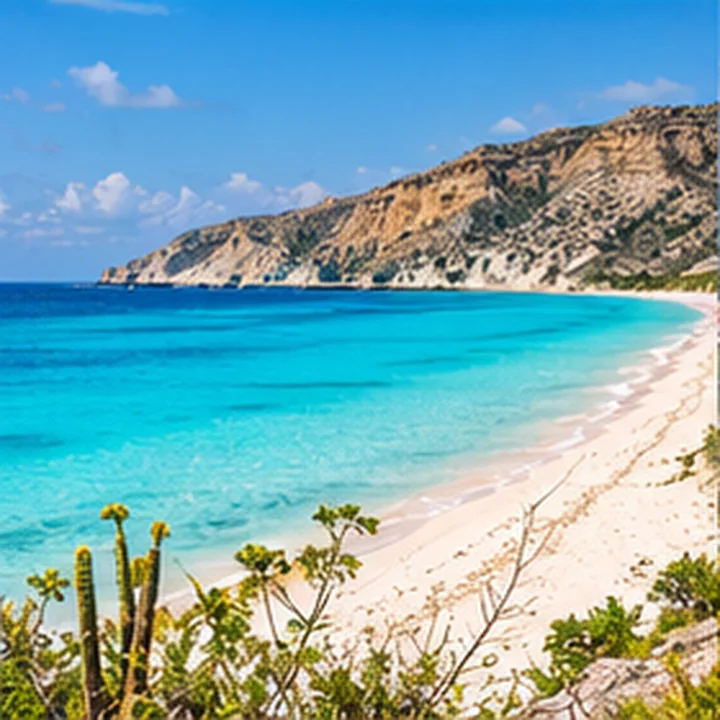
Best for: travelers seeking protected coastal scenery, independent road trips and a less commercial side of the Dominican Republic. Less suitable for: visitors expecting extensive resort infrastructure, easy spontaneous transport or services directly on every beach.
Pedernales is a region to plan, not a quick resort transfer
Pedernales sits in the far southwest of the Dominican Republic, close to the Haitian border. Its landscapes, distances and visitor infrastructure differ markedly from Punta Cana. The region is associated with Bahía de las Águilas, Cabo Rojo and the protected ecosystems of Jaragua and the Sierra de Bahoruco. Those names are connected geographically, but they are not all interchangeable attractions or suitable for a single casual afternoon.
The key planning choice is whether you want a focused beach visit or a wider exploration of the southwest. A focused visit can prioritize Bahía de las Águilas and time near Cabo Rojo. A wider trip may add viewpoints, nature experiences and communities, but it needs more nights, a capable transport plan and respect for protected-area restrictions. This is a place where preparation increases enjoyment rather than reducing spontaneity.
Bahía de las Águilas: what the photographs leave out
Bahía de las Águilas is celebrated for a long stretch of pale sand and clear-looking water within the Jaragua protected-area landscape. The Dominican Ministry of Environment identifies Bahía de las Águilas as a visitor attraction within Jaragua National Park. This is a protected setting, not an ordinary serviced resort beach; confirm the current access route, permitted activities and any entry arrangements with the park authority before travel. Ministry of Environment: Jaragua. Its appeal comes partly from the relative absence of development directly on the beach. Do not expect rows of beachfront restaurants, shops, showers or resort facilities. Bring what you need, take all rubbish away and prepare for strong sun with limited shade.
Access arrangements can involve a boat departure from the Cabo Rojo area or an overland route using appropriate vehicles, subject to conditions and rules. The best choice depends on the day's sea state, road access and the abilities of your group. Ask the operator where the trip begins, how long the transfer lasts, how much time is spent on the beach and what happens if weather forces a cancellation.
The sea can look tranquil in photographs yet change with wind and weather. Do not swim beyond your abilities, and avoid assuming lifeguard services are present. For children, plan frequent shade and hydration breaks. For people with mobility limitations, boat boarding, sand and the absence of facilities can be significant obstacles; ask specific questions before booking.
Cabo Rojo: gateway, not a substitute for the bay
Cabo Rojo is an important reference point for accessing the coast and arranging outings, but a stay near Cabo Rojo is not automatically a stay on Bahía de las Águilas itself. When reviewing accommodation, check its actual location and whether boat departures or overland transfers are included. A listing that uses a famous beach name may still require substantial travel.
Tourism infrastructure in the wider area has been developing, so older accounts may not accurately describe current access or services. Rather than assuming a restaurant, pier or road is operating, confirm directly with your provider. If you are considering a day trip, ask whether the schedule leaves enough beach time to justify the transport effort.
Jaragua National Park and protected-area etiquette
Bahía de las Águilas is part of the Jaragua protected-area setting, so environmental care is central to the experience. Stay on authorized routes, follow guide instructions and avoid driving on dunes or sensitive vegetation. Do not collect shells, disturb nesting animals or leave food waste behind. Wildlife observation should be quiet and nonintrusive.
A protected-area designation does not mean every trail or shoreline is open at all times. Access rules, permits and temporary restrictions can change. Check current information with the Dominican Ministry of Environment and your operator before departure. The ministry's protected-area maps are a useful starting point, but maps alone do not confirm today's opening conditions.
Beyond the famous beach: the wider southwest
The region also offers a wider story of dry coastal landscapes, biodiversity and mountain environments. Hoyo de Pelempito is associated with the Sierra de Bahoruco landscape and dramatic elevation changes, but access and visitor facilities should be confirmed before treating it as a guaranteed stop. Routes into mountain areas can be demanding, and weather conditions may be very different from the coast.
The Laguna de Oviedo area is another name travelers encounter in discussions of the southwest's ecosystems. If considering a nature outing, use a qualified local guide who understands access rules and wildlife etiquette. Do not approach birds or other animals closely for photographs. Avoid combining distant nature stops into a single day without checking actual travel time.
Pedernales can be combined with Barahona in a longer itinerary, but this is a regional road trip rather than a short urban transfer. If your holiday is only a few days long, focus on one area and experience it well instead of collecting place names.
Where to stay: practical choices matter most
Accommodation around Pedernales may be simpler than the facilities of large eastern resorts. That is not necessarily a disadvantage, but it makes advance questions important. Confirm air conditioning, water supply, electricity arrangements, parking, meals and check-in times. Ask whether staff can help arrange a reliable excursion and whether they have a clear cancellation policy.
If your priority is an early departure toward Bahía de las Águilas, choose a base that minimizes morning travel. If you want more restaurants or town services, staying in or near Pedernales town may be more convenient. Compare the total cost of lodging plus transfers rather than judging a room by its nightly rate alone.
Travelers expecting luxury should distinguish a comfortable nature-oriented stay from a full-service resort. Read recent reviews for actual amenities, not only beautiful landscape photographs. In a remote setting, the quality of communication before arrival is a meaningful part of the booking decision.
Food and water planning
Food options may be concentrated around town and specific visitor facilities rather than spread along the protected coastline. Plan breakfast and lunch in advance if leaving early for the bay. Bring drinking water and snacks, especially for children or travelers with dietary needs. Do not assume you can purchase everything after reaching the beach.
Local Dominican meals can be a highlight of the trip. Ask what is prepared that day, whether seafood is priced by portion or weight, and whether special dietary requirements can be accommodated. A remote setting is not an excuse for unclear pricing. Confirm meal inclusions with tour operators before paying.
Use reusable containers where practical and remove all packaging from sensitive natural areas. Avoid feeding wildlife, even if animals approach visitors. Your behavior has a direct impact on the experience future travelers will find.
Getting to Pedernales and choosing transport
Pedernales requires a substantial overland journey from major international gateways. Plan travel time with rest stops and avoid scheduling an unfamiliar rural drive after dark. Rental cars offer flexibility, but drivers should evaluate road conditions, insurance coverage and whether the vehicle is suitable for planned routes. Do not take an ordinary rental car onto restricted or difficult tracks without explicit authorization.
Hiring a reputable driver can reduce stress for a focused visit. Agree in writing on pickup points, waiting time, fuel, tolls, return arrangements and what happens if an excursion is canceled. If traveling independently by public transport, investigate the full onward connection rather than assuming a bus will deliver you to a remote beach.
Mobile reception and payment options may be inconsistent in less developed areas. Carry some cash, download offline maps and share your itinerary with your accommodation. Keep a reasonable buffer between your return journey and any onward flight.
A three-night itinerary that respects the distances
Day 1 — Arrive in the southwest. Travel to your accommodation in daylight, check the next day's sea forecast and confirm the exact departure location for Bahía de las Águilas. Eat early and prepare water and sun protection.
Day 2 — Bahía de las Águilas. Take the arranged transfer when conditions are suitable. Spend enough time on the beach to appreciate the landscape, but plan shade and hydration carefully. Return with your operator and avoid adding a demanding evening drive.
Day 3 — A second landscape. Choose one authorized nature excursion, viewpoint or community-focused activity according to current access and the interests of your group. If protected-area conditions are unsuitable, enjoy a slower local day rather than forcing an itinerary.
Day 4 — Depart with time to spare. Begin the overland return early enough for traffic and rest stops. If combining with Barahona, make that a deliberate overnight stage rather than a rushed detour.
Costs, value and avoiding expensive mistakes
The headline price of a boat excursion may not include ground transport, meals, park-related charges or private-group supplements. Ask for an itemized total and confirm the duration of actual beach time. For accommodation, compare the cost of being near departure points against cheaper but distant rooms. A long daily transfer can erase apparent savings.
Beware of operators promising unrestricted access to every protected location. Responsible providers explain environmental rules and may adjust routes when conditions are unsuitable. If an offer sounds unusually cheap, ask what safety equipment and cancellation protections are included rather than assuming all tours are equivalent.
Safety, accessibility and responsible expectations
Strong sun, long drives and limited facilities are practical challenges. Carry water, a sun hat, protective clothing and any essential medication. If someone in your group has limited mobility, ask about boat boarding and beach access before booking. Do not assume emergency services are immediately nearby in remote areas.
Never enter rough water to recreate a photograph. Follow protected-area rules and avoid leaving any trace of your visit. A successful trip here is not measured by how many remote locations you reach, but by how well you experience them without damaging the environment.
Frequently asked questions
Can I stay directly on Bahía de las Águilas? Do not assume conventional beachfront hotel infrastructure exists on the protected beach. Check actual accommodation locations and current regulations.
Is Pedernales a good first trip to the Dominican Republic? It can be rewarding for confident independent travelers, but those wanting easy resort logistics may find the east coast simpler.
Can I visit from Barahona in one day? It may be possible with careful planning, but distances and transfer arrangements can make the day tiring. Staying closer often gives a better experience.
Is the beach always calm? No. Conditions change, and an operator may need to postpone a boat journey.
Official sources and predeparture checks
The Dominican government's film commission location record for Bahía de las Águilas describes the protected coastal setting and lack of beach services. The Pedernales municipal tourism page identifies other regional attractions. Consult the Ministry of Environment for protected-area guidance, the Directorate General of Migration for entry information and the official e-ticket portal for the passenger form.
Official sources
Rules, permits and entry requirements may change. Check official sources before traveling.