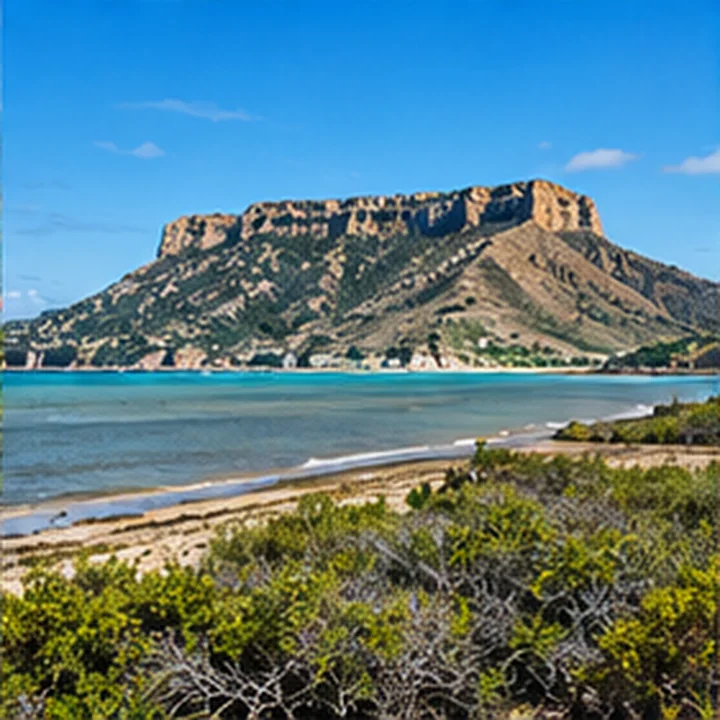
Monte Cristi offers one of the Dominican Republic’s most distinctive coastal landscapes: dry northwestern terrain, dramatic cliffs, mangroves and broad horizons that feel far removed from the polished resort zones. Its appeal is not an endless strip of beachfront hotels. Visitors come for the scenery, protected ecosystems, local history and a slower pace. A successful trip requires more logistical planning than a standard resort holiday, especially when arranging boat excursions and travel to protected areas.
At a glance
Best for: Independent travelers interested in culture, local experiences and carefully planned excursions. Suggested stay: Two to three nights. Planning priority: Confirm operating arrangements and transportation before committing to a fixed schedule.
Why Monte Cristi is different
The northwest coast has a character of its own. The iconic silhouette of El Morro rises above the shoreline, while nearby wetlands and mangroves support habitats very different from the palm-lined beaches commonly used to advertise the Caribbean. The Ministry of Environment identifies El Morro, the Estero Balsa mangroves and the Monte Cristi submarine national park among the province’s protected areas. That ecological importance should shape how you visit: follow designated routes, respect restricted zones and treat wildlife encounters as a privilege, not a guaranteed attraction.
Choosing a base and length of stay
San Fernando de Monte Cristi is the practical base for many travelers. Choose accommodation according to proximity to the town center, departure points for excursions and your onward road route. Options may be simpler than in Punta Cana or Puerto Plata, so look carefully at recent reviews for air conditioning, water, Wi-Fi and parking. One night allows a brief introduction; two or three nights are better if you want a boat trip, a visit to El Morro and unhurried time in town. Confirm excursion availability before booking nonrefundable accommodation.
El Morro National Park
El Morro is the region’s signature landscape, with imposing coastal formations and viewpoints that make a compelling contrast with the country’s greener tourist regions. It is a protected area, not a free-for-all hiking site. The Ministry of Environment has documented public-use arrangements and conservation management for the park, so current entrance fees, hours, routes and guide requirements should be confirmed through official or authorized local channels. Bring sun protection, sturdy footwear and enough water. Avoid exposed paths in extreme heat and do not approach cliff edges for photographs.
Mangroves and boat-based excursions
Mangrove environments are among Monte Cristi’s most valuable natural assets. A small-boat excursion may offer a perspective on channels, coastal vegetation and bird habitat that cannot be appreciated from a road. Select operators who respect protected-area rules, avoid disturbing wildlife and explain where their boats are permitted. Ask about life jackets, boat capacity, weather cancellation policies and whether the tour includes landing stops. Do not assume every cayo or beach is accessible year-round. Wind, sea state and environmental restrictions can change the plan.
Beaches and swimming expectations
Some beaches around Monte Cristi are striking because of their setting rather than because they resemble calm resort lagoons. Sand color, waves, underwater footing and facilities vary substantially. A beach that photographs beautifully may have strong currents, rocks or limited shade. Ask locally where swimming is appropriate on the day you visit and never infer safety from the absence of warning signs. Pack drinking water, sun protection and footwear suited to uneven surfaces. Visitors primarily seeking calm, serviced beach days may prefer another region.
History and the town experience
Monte Cristi has historical associations that extend beyond the natural scenery, including connections to the broader story of the island and its independence movements. A thoughtful visit should make room for local streets, civic spaces and conversations rather than treating the town solely as a boat departure point. Check whether any museums or historic buildings you hope to visit are currently open. Smaller towns do not always maintain fixed tourist schedules. If you are interested in history, a knowledgeable local guide can add context that a brief sign or online summary may miss.
Food and local flavors
Fish and seafood can be highlights of a coastal visit, but freshness and preparation matter more than a dramatic waterfront view. Ask what was caught or prepared that day, check menu prices before ordering and be mindful that some dishes are seasonal or subject to availability. Dominican staples—rice, beans, plantains and stews—provide alternatives for travelers who do not eat seafood. Carry cash for smaller establishments, but confirm payment options beforehand. Plan dinner logistics early if your accommodation is outside town or your excursion returns late.
Getting to Monte Cristi
The northwest is a substantial road journey from the major resort zones. For most visitors, a car or arranged driver offers more flexibility than trying to coordinate multiple transfers with boat tours. Do not rely on optimistic map estimates: include rest breaks, fuel stops, traffic and daylight. If you are coming from Santiago or Puerto Plata, consider whether Monte Cristi deserves an overnight stay rather than a rushed round trip. Confirm road conditions, particularly if you plan side excursions onto smaller roads. Avoid unfamiliar remote routes after dark.
A well-paced two-day itinerary
Day one: arrive before late afternoon, check in and explore the town at a relaxed pace. If conditions and access permit, schedule an El Morro visit during a cooler part of the day, allowing plenty of time for the landscape. Day two: take a prebooked, weather-dependent boat excursion with a responsible operator, then enjoy a leisurely meal before departure or a second night. If weather prevents boating, use the day for town exploration and authorized land-based viewpoints. Never make a risky boat trip the only way your itinerary can feel successful.
Wildlife, conservation and responsible tourism
Protected coastal ecosystems are sensitive to trampling, litter, boat wakes and noise. Keep a respectful distance from birds and other wildlife, do not collect shells or plants where prohibited, and never ask a captain to enter restricted channels for a better photograph. The Ministry of Environment’s protected-area materials are a useful reference for the region’s conservation status, but on-site instructions take priority. Responsible operators should be comfortable discussing permits, safety equipment and the ecological limits of their excursions. A good trip leaves the landscape as you found it.
Budget, weather and safety
Transport and boat excursions may account for a larger share of your spending than the room itself. Compare total costs including fuel, guides, park fees and meals. Weather can be windy and exposed areas hot, so keep flexible plans and avoid tight same-day connections. For boat activities, insist on suitable safety equipment and cancel when conditions are questionable. For land outings, carry water, tell someone your route and avoid isolated areas without local knowledge. Mobile coverage may be less dependable in remote spots, making offline maps useful.
Frequently asked questions
Is Monte Cristi a good first Dominican Republic destination? It is better suited to travelers comfortable with independent logistics. Is El Morro suitable for everyone? Viewpoints and paths vary; verify current access and mobility requirements. Are boat tours guaranteed? No—weather, operator schedules and protected-area rules can prevent departures. How many nights should you spend? Two is a sensible starting point for visitors who want both landscape and coastal experiences. What makes it special? Its combination of arid coastal scenery, cliffs, mangroves and a quieter local atmosphere.
Editorial verification and official resources
Information about hours, admission, guides, events, transport and weather changes. Verify details before publication and again before travel. Official starting points: Dominican Ministry of Tourism, Ministry of Environment protected areas, and Dominican Migration. No links to competing tourism portals are included.
Official sources
Rules, permits and entry requirements may change. Check official sources before traveling.