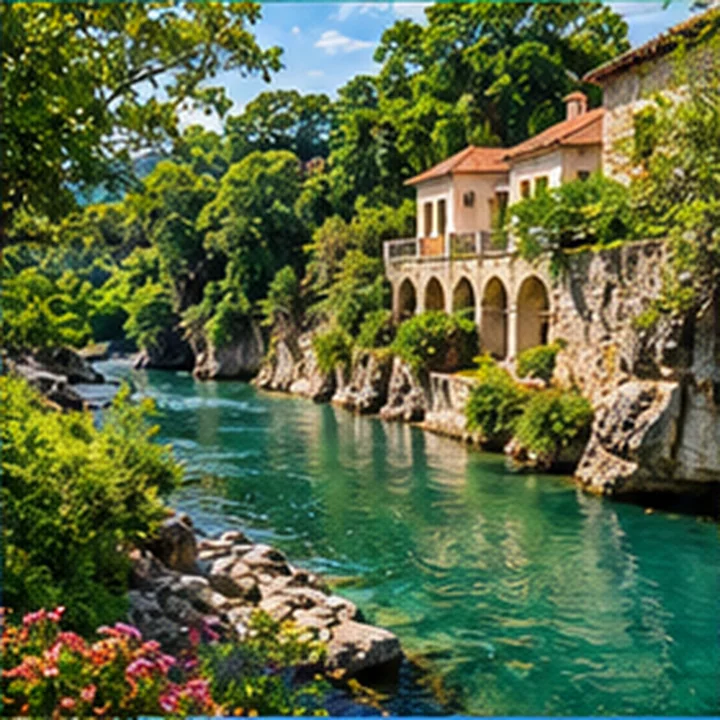
Best for: travelers interested in a mix of urban Dominican life, nearby beach excursions, golf or resort stays and regional day trips. Less suitable for: visitors expecting the city center itself to be a continuous beachfront resort district.
Understand what “La Romana” actually means
La Romana is both a Dominican city and the name used for a broader southeastern travel area. This creates confusion in hotel searches. A property listed under La Romana may be in the urban area, near a major resort complex, toward Bayahíbe or elsewhere along the coast. Those locations offer very different holidays, and they are not interchangeable merely because a booking site groups them together.
The city has everyday commercial life, local restaurants and a practical role as a regional hub. Nearby resort and coastal areas appeal to visitors seeking organized leisure and beach access. A thoughtful itinerary may combine the two, but you should choose accommodation based on where you will spend most of your time rather than on the most recognizable regional label.
Where to stay: city, resort or nearby coast
La Romana city: useful if your purpose includes local visits, regional business or experiencing everyday urban life. It can also serve as a practical stop on a wider journey. Do not assume a city hotel has direct beach access. Ask about parking, noise, security arrangements and the time needed to reach planned attractions.
Casa de Campo area: associated with an established luxury resort environment, golf and leisure amenities. Different accommodations and services may have distinct access rules, charges and reservation requirements. Do not assume that booking any nearby apartment grants access to all resort facilities. Verify the precise property terms and any guest-registration requirements before paying.
Bayahíbe and Dominicus: popular coastal bases in the wider region for beach time and excursions toward Saona Island. These are not simply neighborhoods of La Romana city. Staying there can be convenient for boat excursions, but you should account for travel if you also plan city dining or visits farther west.
Other rural or coastal properties: may offer privacy and space, but they often require arranged transfers or a car. Verify access roads, on-site meals and realistic transport options after dark.
Altos de Chavón: plan the visit, not just the photograph
Altos de Chavón is a well-known cultural and architectural attraction in the La Romana area, designed in a historic Mediterranean-inspired style. Visitors may be interested in its streets, views, artistic atmosphere and cultural spaces. It is a constructed complex rather than an untouched colonial town; describing it accurately builds more trust than treating it as an original sixteenth-century settlement.
Before visiting, check current admission rules, opening times, access restrictions and whether any event changes public entry. Some venues within the complex may have separate hours or charges. If a performance or exhibition is central to your plans, confirm its official schedule rather than assuming the venue is active every day.
Wear comfortable shoes, carry sun protection and allow enough time to enjoy the setting without rushing. Visitors with mobility needs should ask about steps, surfaces and available access routes. If you plan to eat nearby, check reservations and current restaurant operations before making the trip.
Golf, beaches and resort experiences
The La Romana region is associated with high-end resort experiences, including golf. However, courses, tee times, dress codes and guest-access policies vary. If golf is a major reason for traveling, obtain written confirmation of access and total fees before choosing accommodation. A hotel description that mentions nearby golf does not necessarily include rounds or transport.
Beach access can be equally complex. Some waterfront areas are associated with resorts or private facilities, while public-access arrangements differ by location. Never assume you can walk into a private beach club because it appears on a map. For a straightforward beach day, research the actual access point, transport and amenities in advance.
If you prefer a more independent coastal atmosphere, consider a dedicated stay in Bayahíbe or Dominicus rather than commuting daily from the city. This can save time and avoid unnecessary taxi costs. The right base depends on whether your priorities are beach, culture, golf, dining or a combination.
Saona Island and the southeastern coast
Saona Island excursions are strongly associated with departures from the Bayahíbe area. If you are staying in La Romana, confirm how you will reach the departure point and whether the tour includes a hotel pickup. The advertised tour duration may exclude the road transfer, so ask for the actual departure and return times.
Compare operators on boat safety, group size, time spent at the destination, food, fees and cancellation rules. Saona is part of a protected natural environment, not simply a commercial beach club. Follow park requirements and avoid disturbing wildlife. Sea conditions can force changes even when the weather in the city looks pleasant.
For travelers who want both Altos de Chavón and Saona, allocate separate days rather than trying to fit both into a compressed schedule. If your trip is short, choose the experience that best matches your interests rather than treating every famous name as mandatory.
Food: what to seek beyond resort dining
The city offers opportunities to explore Dominican everyday cuisine. Look for lunch plates built around rice, beans, stewed meats, plantains and vegetables, as well as regional seafood where available. A comedor or casual local restaurant can offer a different experience from a resort dining room, but quality, hygiene and operating hours vary by business. Choose places with sensible food handling and recent reliable reviews.
If you are staying in a resort, ask whether dining at specialty restaurants requires advance booking or carries extra charges. For city restaurants, check location, transport and whether the venue is suitable for your group. Do not assume that a restaurant advertised as “La Romana” is close to your hotel; the wider region covers multiple communities.
For an evening out, arrange return transport if you are unfamiliar with the area. Carry a modest amount of cash for small purchases and verify card acceptance. Travelers with allergies should explain dietary restrictions in Spanish and ask about ingredients, sauces and shared cooking equipment.
Culture and everyday city life
A visit to La Romana city can help travelers understand a side of the country beyond beach tourism. Local commerce, markets and ordinary neighborhoods reveal a different rhythm from a gated resort. Approach these places respectfully: ask permission before photographing people, avoid treating working communities as staged attractions and follow local advice about where and when to walk.
For visitors interested in crafts or cultural venues, check whether workshops, exhibitions or guided experiences are genuinely operating. Avoid promising that an attraction will be open based on an old article. A short, well-planned cultural visit is more valuable than a long list of names without practical details.
Airports and transfers
La Romana International Airport (LRM) can be convenient when suitable flights exist, but service varies by route and season. Some travelers instead arrive via Punta Cana International Airport (PUJ) or Las Américas International Airport (SDQ) and continue overland. Compare the entire journey: flight cost, landing time, ground transfer, traffic and final hotel location.
If arriving late, arrange a reliable transfer beforehand and share your accommodation's exact address. Ask whether the quoted fare includes tolls, luggage and waiting time. If renting a vehicle, check insurance terms, parking availability and your comfort with local road conditions. For a trip focused on one resort, private transfers may be simpler than keeping a car parked for most of the stay.
A useful four-day itinerary
Day 1 — Settle into your chosen base. Arrive, confirm your transport arrangements and enjoy a relaxed meal. If staying in the city, use the afternoon to get oriented; if staying at a resort, explore the facilities and beach access rules.
Day 2 — Altos de Chavón and regional culture. Visit after confirming entry conditions and current operating hours. Leave time for a meal and avoid scheduling the visit during the hottest part of the day if possible.
Day 3 — Coastal excursion. Choose Saona Island, a Bayahíbe beach day or another suitable coastal outing. Allow a full day for travel and changing sea conditions.
Day 4 — Choose your own emphasis. Golfers may reserve a round; food-focused travelers may explore local dining; families may prefer a slower resort day. Keep the schedule flexible if you have an onward flight.
With a week, consider splitting the stay between the La Romana area and a beach-focused base rather than driving the same route repeatedly.
Compare costs honestly
A city hotel may appear cheaper than a resort but may require daily transport to beaches and attractions. A luxury resort can include conveniences that reduce planning, while also charging separately for premium experiences. An apartment may suit a group but involve deposits, cleaning charges and a rental car. Compare the complete trip budget, including meals, transfers, entrance fees and any access restrictions.
Do not rely on a fixed estimate for a golf round, attraction ticket or private transfer without checking the current provider. Fees and policies change. When comparing properties, use the same dates and cancellation terms; a prepaid bargain is not directly comparable with a flexible rate.
Common planning mistakes
Booking a hotel simply because it says “La Romana” without checking its actual location is the biggest one. Other errors include assuming resort facilities are open to outside guests, combining distant attractions into one day, failing to prearrange a Saona transfer, and treating the city as though it were a beach strip.
Check the official entry requirements relevant to your nationality and travel status. Use the Dominican government's immigration and e-ticket services, not a paid intermediary that imitates an official form.
Frequently asked questions
Is La Romana the same as Bayahíbe? No. They are distinct places within the broader southeastern travel region. Accommodation and excursion logistics differ.
Is Altos de Chavón an original colonial town? No. It is a designed architectural and cultural complex inspired by historic styles, and should be described that way.
Do I need a car? It depends on your itinerary. Resort-only visitors may prefer transfers; travelers exploring several communities can benefit from a car if comfortable driving locally.
Can I visit Saona Island from La Romana? Yes, but confirm transport to the relevant departure point and allow a full day.
Should I stay in the city or by the coast? Stay where your main activities are. City stays suit urban and regional interests; coastal stays suit frequent beach days and boat excursions.
Editorial verification note: Check current access policies, attraction schedules, golf fees, protected-area rules and transfer arrangements with official or primary providers before publication. No live prices, ratings or opening hours are claimed.
Official sources
Rules, permits and entry requirements may change. Check official sources before traveling.