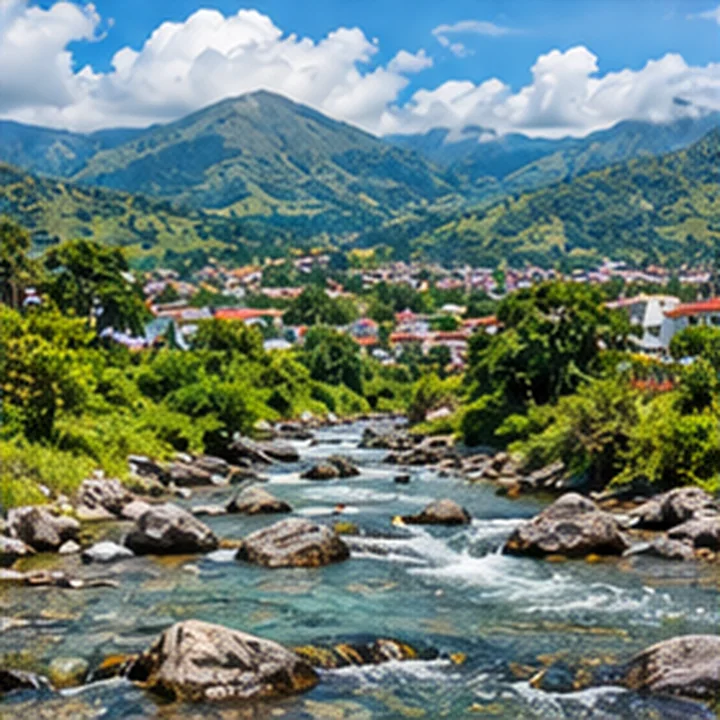
Bonao is easy to overlook when traveling between the capital and the Cibao, but it can reward travelers who value local art, green landscapes and a less commercial rhythm. The city and its surroundings are not a resort destination. Think of Bonao as a cultural stop, a base for carefully planned nature outings or a short break during a longer interior itinerary. The right expectations matter: some attractions require advance arrangements and rural access is not always straightforward.
At a glance
Best for: Independent travelers interested in culture, local experiences and carefully planned excursions. Suggested stay: Two to three nights. Planning priority: Confirm operating arrangements and transportation before committing to a fixed schedule.
Is Bonao right for your itinerary?
Bonao works best for curious independent travelers, road-trippers and visitors who prefer regional life to standardized excursions. It can fit into a drive between Santo Domingo and Santiago, but a rushed roadside stop will not reveal much. If you want to explore art and nearby countryside, consider an overnight stay. Travelers expecting large hotel complexes, extensive nightlife or beaches should choose another destination. The reward here is texture: a provincial city, creative traditions and the changing landscape of the central interior.
Art and the Cándido Bidó connection
Bonao has a notable association with Dominican painter Cándido Bidó, whose colorful visual language is part of the town’s cultural identity. The Plaza de la Cultura and related cultural spaces are logical starting points, but confirm which galleries or museums are currently open, their hours and any booking requirements. Do not assume an institution is operating simply because an older travel article mentions it. Give yourself time to look at the art rather than treating it as a quick photograph; it offers a more meaningful entry into the city than a generic sightseeing checklist.
The city center and everyday Bonao
A walk around the central area can introduce local shops, cafés and public spaces, though conditions vary by street and time of day. The pleasure is often in observing daily life: people shopping, families meeting and the contrast between city streets and the green hills beyond. Keep expectations modest about pedestrian infrastructure and ask locally about safe walking routes. Markets and small businesses may not be geared toward international tourism, so patience and basic Spanish phrases are useful. Respect people’s privacy when photographing ordinary street scenes.
Rivers, hills and nature outings
The Saltos de Jima Natural Monument is a recognized waterfall attraction in the Bonao area, as documented by the Dominican government’s film commission and Ministry of Environment protected-area register. Do not assume that every waterfall or natural pool is accessible: authorized routes and access arrangements require local confirmation. Government location record and protected-area register.
The wider Bonao region is known for greenery and waterways, but river conditions are not predictable from photographs. Rainfall upstream can change current strength and water clarity quickly, even when skies look clear at your location. Never enter unfamiliar pools without local knowledge, and avoid swimming near fast water, slippery rock or waterfalls after heavy rain. For an outing, select a reputable local guide or a properly managed venue, confirm access permissions and ask what facilities actually exist. A safe, enjoyable river day requires more preparation than simply following a social-media location pin.
The mountain landscape and weather
Bonao sits within a landscape where elevation and rainfall create a different feel from the hot coast. Expect humid conditions, occasional heavy showers and roads that can become difficult in poor weather. Bring footwear with traction and a light rain layer even when your primary plan is cultural sightseeing. If you want viewpoints or rural drives, confirm the exact route with a local operator; a map application may suggest minor roads that are unsuitable for ordinary vehicles. Daylight travel gives you more flexibility to turn around if conditions deteriorate.
What to eat in Bonao
Look for Dominican home-style cooking rather than assuming there is a famous restaurant you must visit. Rice, beans, stewed meats, plantains and seasonal vegetables are reliable starting points for exploring regional food. Ask what is freshly prepared that day and pay attention to food handling and cleanliness. A popular lunch stop with steady turnover can be more rewarding than a place chosen for its appearance alone. If you are driving, plan the meal before the longest stretch of road and keep drinking water available. For dietary restrictions, explain ingredients clearly; menus may be informal.
Carnival and local celebrations
Bonao is associated with Dominican carnival traditions, including distinctive costumes and community celebrations. Dates, routes and programming can vary by year, so consult current local announcements rather than assuming a fixed event schedule. Carnival can transform the atmosphere of a visit, but it also brings crowds, noise, traffic restrictions and pressure on accommodation. If you specifically want to experience it, plan ahead and arrange transport. If you prefer a quiet art-focused trip, avoid peak event periods or choose accommodation away from celebration routes.
Where to stay
Accommodation options in and around Bonao tend to be more limited than in major tourist centers. Prioritize reliability over elaborate marketing claims: recent reviews, secure parking if driving, working air conditioning or fans, water supply and clear check-in arrangements. A countryside property may look idyllic but require a rough approach road or have limited dining nearby. Confirm whether breakfast is provided and how you will reach dinner after dark. For a one-night transit stop, convenience to your onward route may be more valuable than a remote scenic setting.
How to get there and get around
Bonao lies along an important corridor linking Santo Domingo and the northern interior. Driving gives the greatest flexibility, but traffic and weather can affect travel times. Intercity transport may bring you into town without providing easy onward access to rural attractions. If arriving without a car, arrange local transportation before committing to a river or hillside excursion. Avoid assuming that ride-hailing coverage will be consistent outside the urban center. For any tour, confirm the meeting point, included transfers and return arrangements in writing.
One-day and two-day plans
For one day, make art the anchor: arrive in the morning, visit a confirmed-open cultural venue, have a leisurely local lunch and spend the afternoon exploring the center before continuing your journey. For two days, use the second day for a prearranged nature outing, weather permitting. Avoid scheduling both a long hike and a distant onward drive on the same day. The more rural your plan, the more buffer time you need. A well-chosen single excursion is more satisfying than a list of attractions you cannot realistically reach.
Budget, safety and travel trade-offs
Bonao may be less expensive than a resort area, but private transport and guided outings can dominate costs. Estimate the complete journey rather than comparing only room prices. Keep some cash for smaller businesses, while avoiding carrying more than needed. Take normal precautions in town and additional care around rivers, isolated roads and changing weather. For travelers with mobility limitations, verify access to galleries and nature venues individually; rural attractions often have uneven ground. Bonao is rewarding when approached as a deliberate cultural stop rather than a low-cost substitute for the coast.
Frequently asked questions
Can Bonao be visited as a day trip? Yes, particularly as part of an existing drive, provided you select only a few stops. Is it good for families? Cultural visits can be, while river activities require age-appropriate supervision and local safety assessment. Do you need a guide? Not necessarily for the city, but a guide can be valuable for rural access. Is it a beach destination? No. What should you verify before departure? Current cultural opening hours, weather, road access, transport and the availability of any planned excursion.
Editorial verification and official resources
Information about hours, admission, guides, events, transport and weather changes. Verify details before publication and again before travel. Official starting points: Dominican Ministry of Tourism, Ministry of Environment protected areas, and Dominican Migration. No links to competing tourism portals are included.
Official sources
Rules, permits and entry requirements may change. Check official sources before traveling.