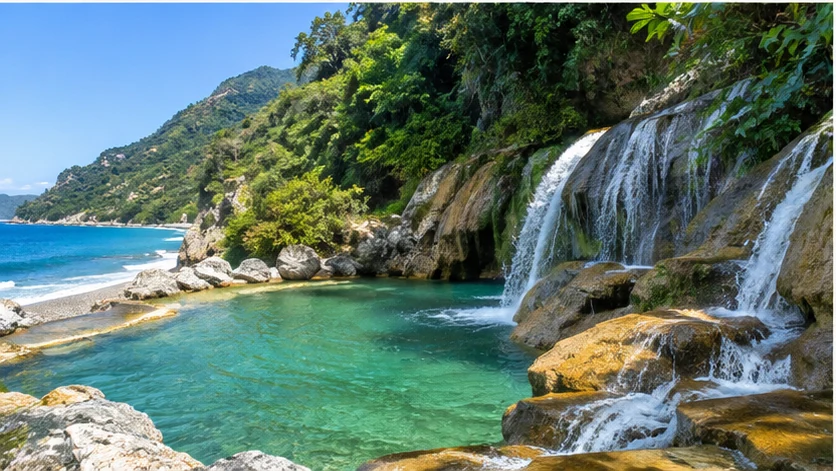
Best for: nature-focused travelers, photographers, independent road-trippers and visitors who prefer rivers, mountain scenery and local communities to large resort zones. Less suitable for: anyone expecting a string of calm, sandy resort beaches or effortless transport between attractions.
Understand Barahona before you choose a hotel
Barahona is both a city and a gateway to a broader southwest-coast journey. The city can provide services, restaurants and a practical base, while much of the scenery that motivates visitors lies along the coast and inland. Treating “Barahona” as a single beach destination can lead to poor lodging choices: a hotel in town, a coastal guesthouse and a mountain retreat serve very different itineraries.
The region's appeal is its contrast. Forested slopes approach the Caribbean, rivers meet rocky shorelines, and stretches of road offer views unlike the broad resort beaches of the east. The trade-off is that attractions are spread out and public transport may not match a visitor's preferred schedule. Decide whether you want a city base with day trips or a coastal base closer to the scenery.
The coastal road: what makes it special
Travelers often explore the road southwest from Barahona toward coastal communities and natural stops. The journey is as much about the landscape as individual attractions. Allow time to pull over only where stopping is safe, and never block a narrow road for a photograph. In rainy weather, visibility, drainage and road conditions can change quickly.
A common mistake is planning every river, beach and viewpoint in a single day. That creates hours in a vehicle with little time to enjoy the stops. Pick two meaningful experiences and leave room for a leisurely lunch. If you are traveling onward toward Pedernales, consider splitting the route rather than treating the entire southwest as a short excursion.
San Rafael: river water meets the coast
San Rafael is known for the meeting of a freshwater setting and a striking coastline. The contrast can be refreshing, especially for travelers expecting only warm saltwater beaches. But river pools and the open sea require different safety judgments. Water flow can change after rain, and coastal surf can be powerful. Do not assume that because people are bathing in one area, every adjacent stretch is suitable for swimming.
Ask local attendants about designated bathing areas, currents and any closures. Wear footwear suitable for wet stone and slippery surfaces. Keep children within reach around moving water. If you visit at a busy time, expect a more social atmosphere rather than total seclusion. The most enjoyable visit is often an early or unhurried stop, not a rushed photo opportunity.
Los Patos and the importance of realistic expectations
Los Patos is another well-known stop where visitors encounter a river environment near the coast. Its appeal is the opportunity to relax by freshwater and sample local food, not necessarily to swim in the exposed sea. Assess conditions carefully: shore breaks, rocks and changing currents can make open-water swimming inappropriate even when the river area is popular.
Ask about food prices before ordering and clarify whether seating or facilities carry separate charges. If visiting with elderly relatives or young children, inspect access surfaces before committing to a long stay. The combination of food stalls, visitors and flowing water can be lively; choose a quieter time if that is your preference.
Where to stay: city, coast or mountains
A city hotel in Barahona can make arrival and departure logistics easier. It may suit travelers with an early drive, errands or a desire for a broader restaurant choice. The downside is that the most scenic coastal stops may require substantial daily driving. Check parking, nighttime noise, air conditioning and whether breakfast is available at the hour you need.
Coastal accommodation may bring dramatic views and a more immersive setting. Ask whether access involves steep steps, whether the beach is swimmable, and how far the nearest restaurant is. “Oceanfront” is not a promise of safe swimming or sandy access. Mountain lodges can be attractive for cooler evenings and landscapes, but their access roads and connectivity deserve particular scrutiny.
Do not book based solely on an aerial image. Look for recent guest descriptions of the road, water supply, power reliability and the actual distance to the attractions on your itinerary. The best-value lodging is the one that reduces your total travel friction.
Eating in the southwest
Barahona is a place to explore everyday Dominican food as well as coastal cooking. Rice, beans, plantains, chicken, stews and fish may feature depending on the establishment. Menus vary, so avoid assuming a specialty is always available. Along popular river stops, ask for clear prices before ordering and check whether seafood is charged by weight.
Travelers interested in the region's agriculture can learn about coffee and other local products, but do not assume that every plantation or farm welcomes walk-in visits. Arrange visits with an established host and ask what is actually included. Buying directly from local producers can be rewarding when the origin and price are transparent.
Food planning matters on long drives. Carry drinking water and a modest snack reserve, especially if traveling with children or dietary restrictions. Confirm meal options near remote accommodation rather than assuming delivery services operate everywhere.
Transportation and road-trip logistics
For most international visitors, Barahona is reached overland from a larger arrival gateway. The journey should be planned with realistic breaks, especially after a flight. A rental car offers independence but also demands confident driving and awareness of motorcycles, unlit stretches and weather-related road changes. If you prefer not to drive, hire a reputable driver and agree on the itinerary, waiting time and return arrangements in advance.
Fuel up before long rural stretches and avoid making your last major drive of the day after sunset. Download offline maps but confirm directions locally when roads appear questionable. A route that looks short in an app can take longer when weather or roadworks intervene. Travelers with accessibility requirements should verify the vehicle and the physical access at each stop.
How Barahona differs from Pedernales
These two names are often combined in southwest travel plans, but they are not interchangeable. Barahona offers a useful mix of city services, coast, rivers and mountain access. Pedernales is a separate destination farther southwest, often associated with Bahía de las Águilas and protected landscapes. A hotel in Barahona does not put every Pedernales attraction on your doorstep.
If your priority is Bahía de las Águilas, consider staying closer to Pedernales or Cabo Rojo rather than planning an exhausting same-day return. If your priority is rivers and the scenic coast, Barahona itself may deserve several nights. The right base depends on what you most want to experience.
A thoughtful four-day itinerary
Day 1 — Arrive and settle in. Reach Barahona in daylight if possible, check in and enjoy an uncomplicated dinner. Ask about road and weather conditions for the next day.
Day 2 — San Rafael. Spend time at the river setting, choose a safe bathing area and enjoy lunch without rushing. Add a viewpoint only if the weather and daylight allow.
Day 3 — Los Patos and the coast. Explore another freshwater stop and appreciate the coastal drive. Avoid entering rough sea conditions just because the beach looks dramatic. Return for a relaxed evening.
Day 4 — Inland or onward. Choose a prearranged mountain or agricultural experience, or depart toward Pedernales with a realistic travel plan. Do not attempt both a demanding inland outing and a long onward drive in one day.
Costs and booking choices
Compare the full cost of a coastal stay with a city hotel plus daily transport. Ask drivers whether fuel, waiting, tolls and return journeys are included. Remote accommodation may charge more for meals or require advance orders; clarify this before booking. Avoid relying on precise price claims from old blog posts, because rates can change substantially.
If you are booking guided nature activities, ask about group size, safety equipment, physical difficulty and cancellation procedures. A guide's willingness to explain what not to do is often a better signal of professionalism than a glossy advertisement.
Responsible travel and safety
Do not leave litter near rivers, beaches or roads. Respect private land and community spaces. Avoid collecting plants, shells or wildlife from protected environments. Swimming conditions should be evaluated separately at each site; freshwater pools, rocky beaches and open sea present different hazards.
Heat and humidity can be demanding even when mountain views look cool. Carry drinking water, sun protection and suitable footwear. If you are prone to motion sickness, allow for winding roads. In case of heavy rain, ask whether river sites or mountain routes remain appropriate.
Questions travelers ask
Is Barahona a beach-resort destination? Not in the same sense as Punta Cana. Its strongest appeal is a mix of nature, coastal drives, freshwater sites and independent exploration.
Can I visit Barahona without renting a car? Yes, with arranged transfers and excursions, but flexibility and total cost may differ from a self-drive trip.
Are the beaches calm for children? Do not assume so. Several scenic stretches are rocky or exposed. Ask about conditions at the specific place and time.
How long should I stay? Two to four nights can support a more relaxed exploration than a single rushed stop, depending on your wider itinerary.
Official planning resources
The Ministry of Environment publishes protected-area information. Use the Directorate General of Migration for entry requirements and the official e-ticket portal for the passenger form. Confirm site-specific access and current conditions before departure.
Official sources
Rules, permits and entry requirements may change. Check official sources before traveling.